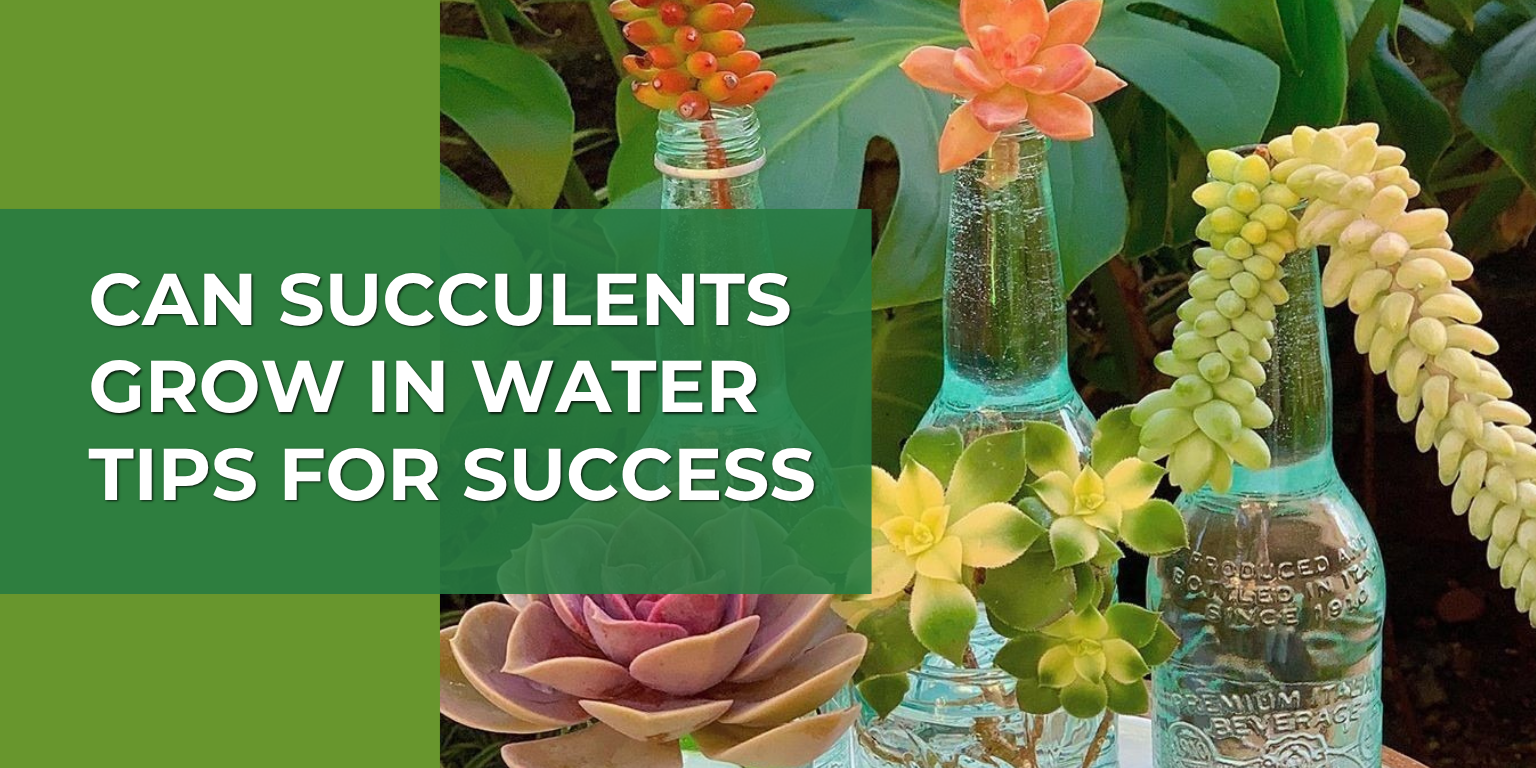
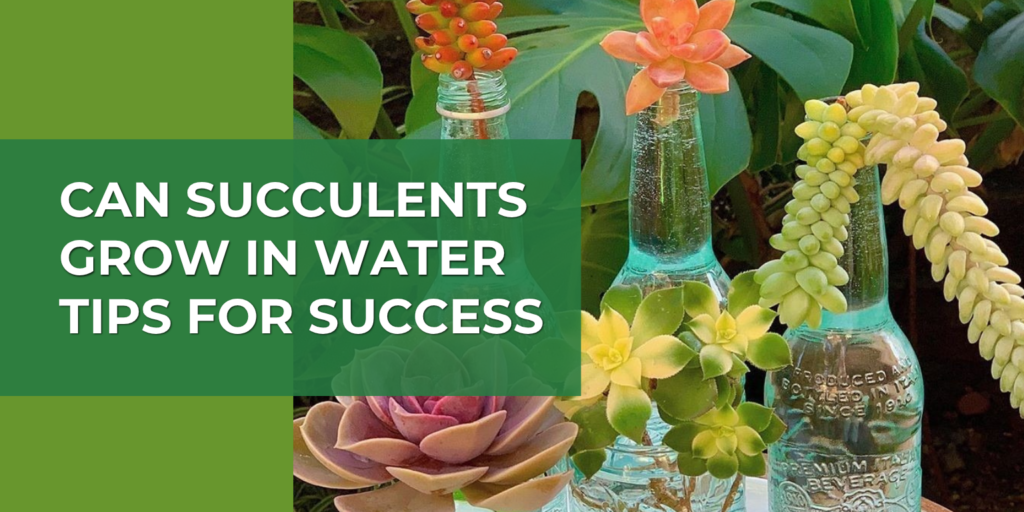
Can Succulents Grow in Water? Simple Tips for Success
You see beautiful clear glass jars filled with roots and bright green leaves on social media. The sunlight catches the glass perfectly on a bright windowsill. You might wonder how desert plants survive in a wet jar.
Many people try to put their own cuttings in a glass of tap water. They just watch the stems turn black and rot a few days later. It feels terrible to watch a healthy plant turn into a mushy mess.
You want to save a dying plant but keep failing. We can fix this frustrating problem right now. Readers will learn the exact difference between short term rooting and long term survival.
You will discover the exact steps to prep a cutting safely. You will get a clear list of the best plants for succulent water propagation. Can Succulents Grow in Water without dying? Yes, they absolutely can if you follow a few basic rules.
The Truth: Can Succulents Grow in Water?
The short answer is yes for a little while. But they do not thrive in water permanently. Desert plants evolved over millions of years to survive intense droughts.
Their roots evolved for dry soil. They are simply not built for living underwater forever. When you grow succulents in water, the plant is forced to adapt quickly to survive.
It makes entirely new roots to deal with the wet environment. Aquatic roots look very different from normal soil roots. They are much thinner and highly fragile.
Plant experts state that aquatic roots lack the structures needed for efficient mineral uptake in soil. Soil roots have thick hairs to grab rough dirt. Water roots are completely smooth and weak.
They drink very differently than normal roots. Long term submersion usually leads to cellular breakdown. The stem eventually turns soft and rots away completely.
Cellular breakdown is easy to spot. It starts as a yellow leaf that slowly turns completely translucent. Finally the entire stem gets slimy and smells bad.
Keeping a cutting submerged for four to eight weeks creates a fun illusion. It looks like sustained growth. But it actually masks progressive stress on the plant.
Your plant is slowly drowning over time. So, Can Succulents Grow in Water forever? No, but it works wonderfully for temporary propagating.
Best Succulents to Root in Water
Not all desert plants like this wet method. Some plants strongly prefer dry dirt for starting new roots. Woodier stems usually do much better in a glass jar.
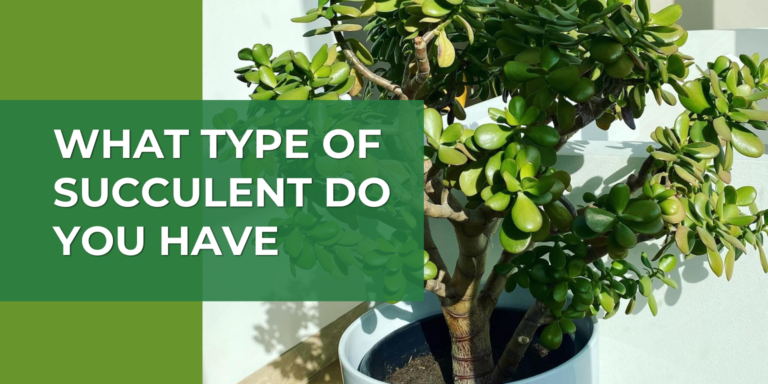
Jade plants produce thick white roots very quickly. They are incredibly tough and hard to kill. You can easily pair clean glass jars and Jade plant stems for a beautiful window display.
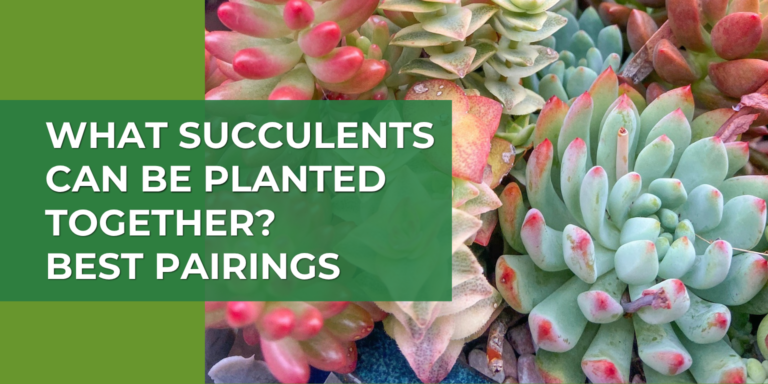
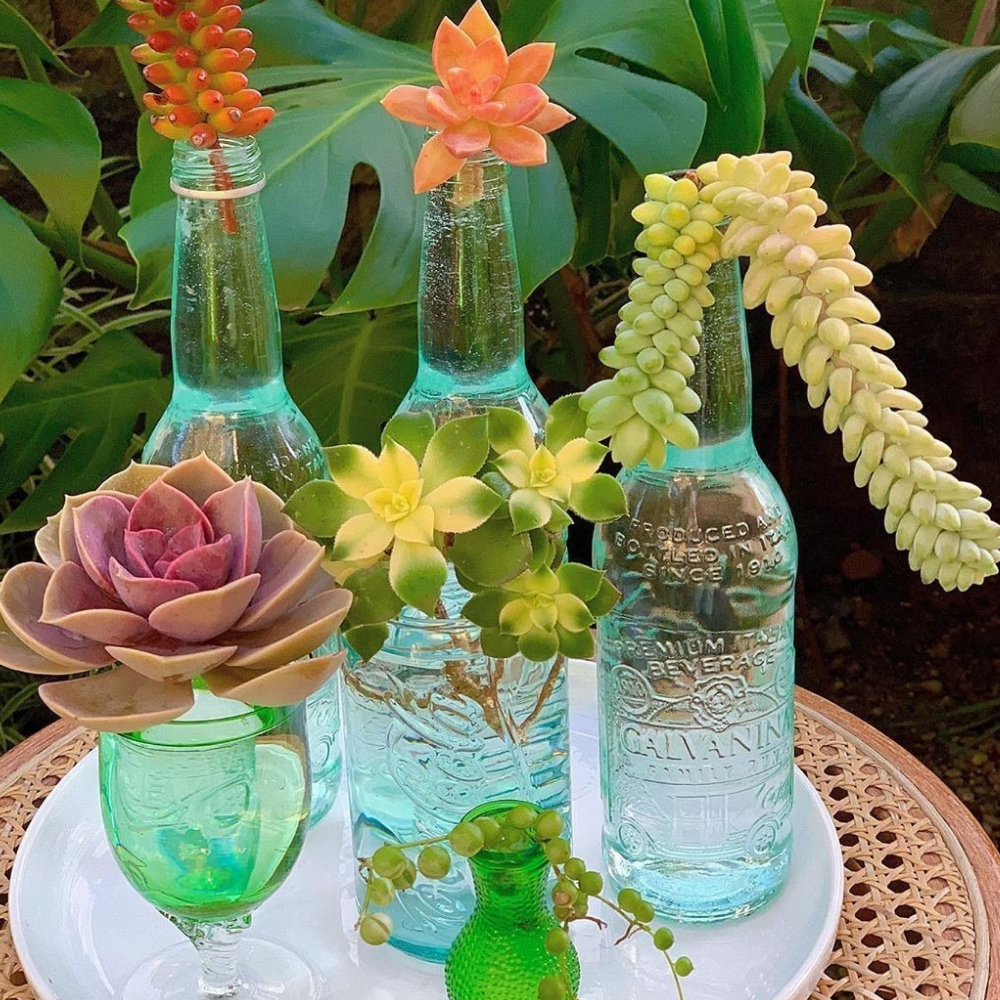
Echeverias and Sempervivums also take well to a temporary water glass. They will push out bright pink roots in just a few weeks. They look beautiful suspended over clear liquid.
You must avoid plants with very soft and squishy leaves. Thin or highly fragile leaves rot easily when exposed to constant moisture. Stay away from fuzzy plants for this method.
Aloe plants are terrible candidates for this project. They have thick gel inside their leaves that rots very fast in standing moisture. Keep your Aloe cuttings in dry dirt instead.
Snake Plants and String of Hearts are excellent choices for beginners. They are very forgiving when you make a mistake. They also transition easily from a wet jar back to dry dirt.
Haworthia plants are slow but steady growers in a jar. They take longer to push out roots but rarely rot. Knowing the best succulents to root in water saves you a lot of time and frustration.
Stick to these tough varieties for your first try.
3 Steps for Successful Succulent Water Propagation
Making fresh cuts on a plant opens a wet wound. Putting a fresh open wound directly into a wet jar guarantees failure. You must prep the plant properly first.
Using dirty scissors will infect the open wound with bad bacteria. Always wipe your pruning shears with rubbing alcohol first. Follow these exact steps for successful succulent water propagation.
- Cut a healthy stem and gently remove the bottom leaves to expose a bare stem.
- You must let the cut end dry and form a hard callus for a few days to stop rot completely.
- Place the callused tip inside the jar so it is just barely touching the liquid surface.
Creating that hard callus is the most important part. Place your fresh cutting on a dry paper towel in a shady room. Check it every day until the cut end looks like a dry scab.
You can use plastic wrap over the jar opening if your cutting falls in. Poke a small hole in the plastic wrap and slide the stem through. This holds the plant up and keeps the leaves perfectly dry.
Do not submerge the whole stem in the liquid. Only the very bottom tip should touch the moisture. You need to change the liquid every three to four days.
Fresh distilled water stops nasty bacteria from growing in the jar. Cloudy water means bacteria is attacking your stem. Dump cloudy water out immediately and wash the jar with soap.
Cuttings can produce white roots within 10 to 21 days. You must give them bright and indirect light. Hot direct sun will boil the liquid and cook the fragile plant.
How to Move Your Plant from Water to Soil
You successfully grew some great roots. Now you need to move the plant to a permanent home. You need to transplant the cutting once the roots are about an inch long.
Wait until the roots are at least 4 centimeters long before potting. Leaving them in the jar too long makes the transition much harder. Take the plant out of the jar carefully.
Let the fragile roots air dry on a paper towel for a few hours before planting. This brief drying period prevents shock. You must use a very gritty soil mix for the new pot.
Blend lots of pumice and commercial cactus dirt together. Over 70 percent of water rooted plants fail if they are transplanted into heavy and wet potting soil. Heavy dirt crushes the delicate aquatic roots and suffocates them.
Use a small terracotta pot with a large drainage hole. Clay pots breathe well and pull extra moisture away from the fragile roots. Plant the dried stem gently into the gritty mix.
Water very lightly at first so the roots can adjust to the dry dirt. Use a spray bottle to lightly mist the top layer of dirt. Wait a full week before giving the pot a deep soak.
This careful transition is the real secret to success. It is exactly how you grow succulents in water and keep them alive for years.
Conclusion
Water is a fantastic tool for starting new roots. But dry dirt is always better for a long and healthy plant life. Always dry the stems to form a hard callus before putting them in a jar.
This single step prevents the dreaded black rot. It keeps your cuttings healthy and strong. Go find a clear glass jar right now.
Snip a small piece off your Jade plant today. Test this fun method yourself on a bright windowsill. With a little patience and clean water, you can confidently answer the question Can Succulents Grow in Water and multiply your collection for free.