White Ghost Cactus Care: The Complete Growing Guide
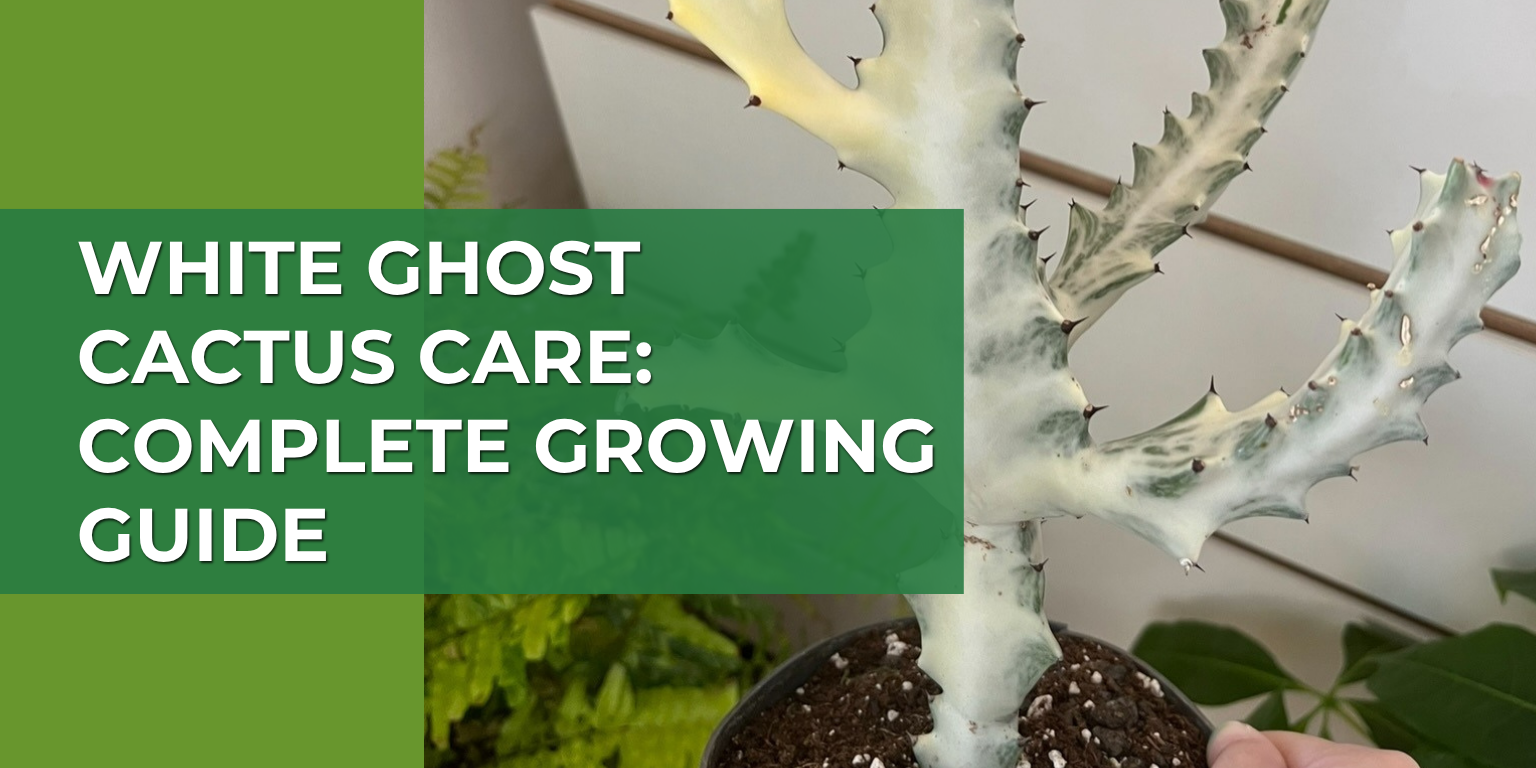
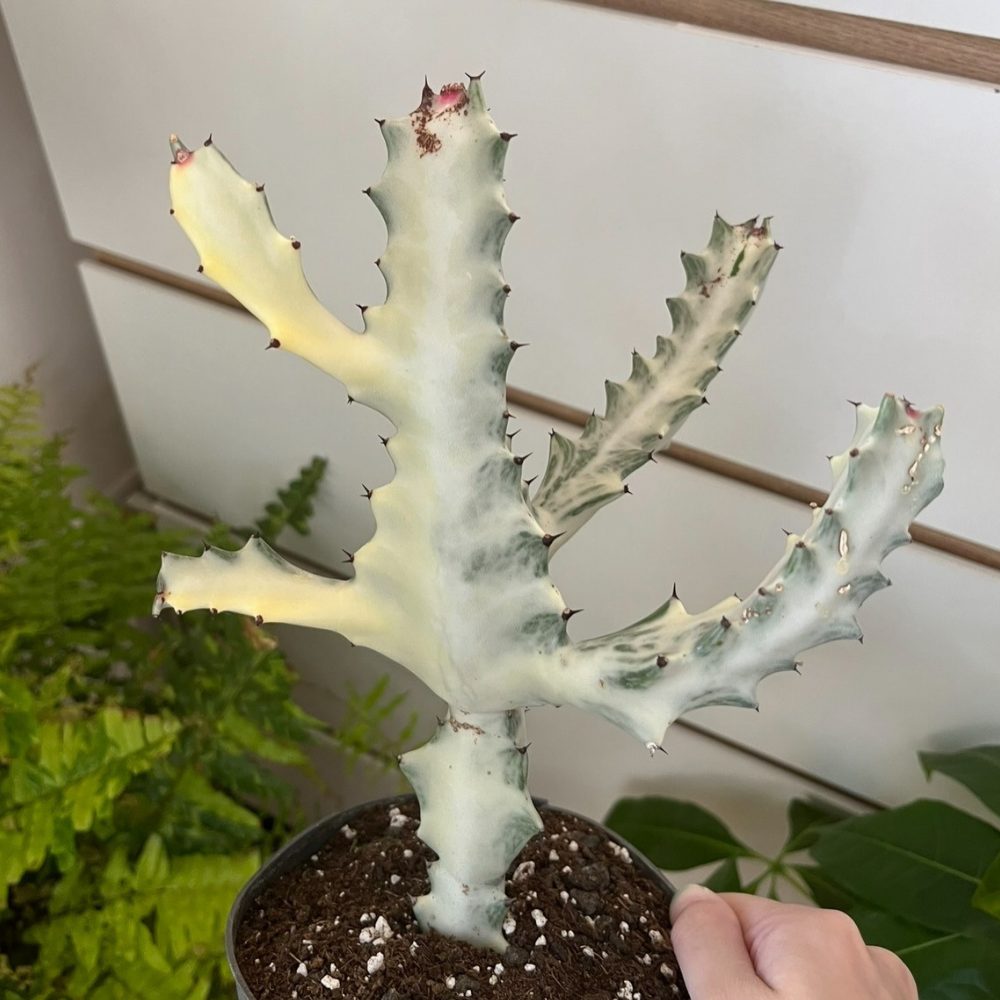
With its pale white stems and jagged shape, the White Ghost looks like a plant from another planet. You probably brought one home because it looks so unique. It stands out completely against a sea of regular green houseplants. It acts as a stunning piece of living sculpture for your home decor. But keeping this pale plant alive can feel tricky.
Because it lacks green pigment, many indoor gardeners struggle to figure out the right lighting. You want to give it enough light to survive. But you also do not want to burn its sensitive skin. You might see brown spots appearing and wonder what you did wrong. You might water it like a normal houseplant and watch it rot.
We can solve these problems today. You will learn the surprising truth about its plant family. You will discover the perfect light and water balance for mutated plants. You will also get the mandatory safety steps you must take before touching it. Let us look at proper White Ghost Cactus Care so your plant thrives. You will soon master the art of growing this White Ghost Euphorbia safely.
Why Is My Plant Bleeding? The Big Cactus Secret
Have you ever noticed your plant bleeding a white milky substance? This happens because this plant is not actually a cactus at all. Despite its common name, this plant is technically Euphorbia lactea. It belongs to a large botanical group called the spurge family.
This plant is native to tropical Asia. It originally comes from places like India and Sri Lanka. It does not come from dry American deserts. In the wild, Euphorbia lactea can grow up to ten feet tall. Indoors, it usually maxes out around two to three feet. It grows very slowly over many years.
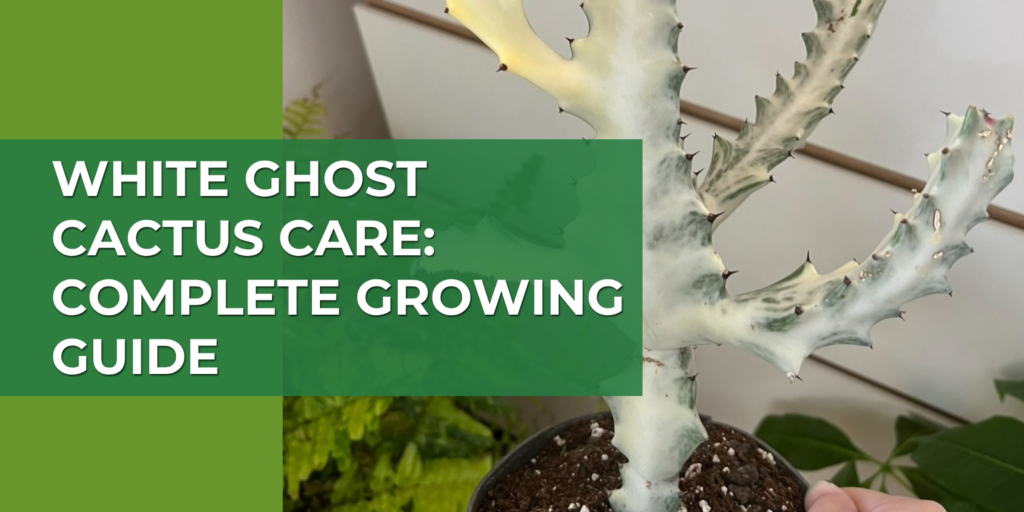
The white color is actually a genetic mutation. This mutation causes a severe lack of green pigment. Plants use this green pigment to make food from the sun. The lack of pigment gives it a ghostly appearance. Sometimes you might see a tiny hint of green or pink on the very edges of the stems.
This lack of green color makes the Euphorbia lactea White Ghost very special. True cacti do not secrete milky white sap when you cut them. This specific botanical difference dictates exactly how you must handle and prune your new plant. You cannot treat it like a regular desert plant.
How to Give Your Plant Enough Light Without Burning It
Your pale plant has a big disadvantage. It cannot make food easily because it lacks green pigment. This means growing a ghost cactus requires a very specific light setup.
The plant must work twice as hard to feed itself. It requires bright and indirect sunlight for most of the day. A dark corner will slowly starve it to death. It will stop growing completely if it sits in the shadows. The stems will look weak and thin if they are starving.
However, the lack of green pigment makes it highly susceptible to sunburn. Intense and direct afternoon sun will scorch the white stems very quickly. A sunburned stem develops ugly brown and crispy patches on the side facing the window. A healthy white stem looks crisp and firm. Once the skin burns, the scar stays there forever. The plant will never heal that brown mark.
You should place your plant near a south facing window. A west facing window also works perfectly. You just need to diffuse the harsh afternoon light. Use a sheer curtain during the peak summer hours between noon and four o clock. This sheer fabric blocks the burning rays but lets the good energy through.
3 Ways to Prevent Root Rot with Proper Soil and Water
You need to protect the roots to keep your plant alive. You should treat its watering schedule like a standard succulent. You must use the soak and dry method for proper White Ghost Cactus Care.
This means you completely soak the soil until water runs out the bottom hole. Then you wait for the dirt to dry completely before watering again. Never water a plant that is already sitting in wet dirt. You can check the soil by pushing a wooden stick deep into the pot. If the stick comes out wet, do not add water.
Water the plant every two weeks during active spring and summer growth. You should reduce this to once every four to six weeks during winter dormancy. The plant sleeps in the winter and drinks very little.
The soil must drain exceptionally fast. Standard potting soil will hold too much moisture. Wet soil will cause the roots to rot very quickly. You should use a custom dirt mix. Blend fifty percent regular potting soil with fifty percent pumice or perlite. This creates tiny air pockets so the roots can breathe.
You must also pick the right container. Plant your ghost in a heavy terracotta pot. The plant grows very top heavy over time. It can easily tip over and snap in a lightweight plastic pot. A heavy clay pot keeps it stable and helps the soil dry faster.
Why You Must Wear Gloves to Handle This Toxic Plant
This is the most important part of owning this plant. The milky white sap inside the stems is extremely dangerous. When scratched or cut, the plant bleeds this latex sap freely. The sap is under pressure inside the stem. Even a tiny prick from a thorn can release a lot of liquid.
This sap is highly toxic sap. It is a severe skin irritant. It is also an extreme eye irritant. Getting this sap in your eyes can cause temporary blindness. It requires immediate medical flushing if that happens. University horticultural extensions constantly warn people about the dangers of Euphorbia latex sap. You must wash your hands with soap and water immediately if the sap touches your skin.
You must protect yourself and your family.
- Always wear thick leather gardening gloves when repotting or pruning.
- Wear safety glasses to protect your eyes from accidental splashes.
- Keep this plant entirely out of reach of curious cats and dogs.
- Place the pot high up on a sturdy shelf away from small children.
This White Ghost Euphorbia demands respect. Handling it safely prevents painful accidents. Do not let the pretty white stems fool you into being careless.
4 Steps to Propagate Your Plant Safely
You can grow new plants from your original one. This process is called propagation. The best time to do this is during the spring or early summer. But you must be very patient. Because it lacks green pigment, propagation is incredibly slow. It can take two to three months for a cutting to establish a healthy root system.
You can safely propagate the Euphorbia lactea White Ghost by following these exact steps.
- Put on your thick gloves and safety glasses first. Take a stem cutting using a sterile and sharp knife. Make one clean slice.
- Wash the cut end of the stem with cold water immediately. The cold water causes the sap to coagulate and stops it from flowing all over your table.
- Place the cutting in a shady spot. Let the cutting dry in the shade for one to two weeks. Wait until a hard dry callus forms over the open wound. This dry scab prevents the stem from rotting in the dirt.
- Place the callused end upright in dry and gritty soil. Wait for new roots to form over the next few months before giving it any water. You can give the stem a very gentle tug after two months. If it resists, roots have formed.
Conclusion
This stunning plant needs bright but protected light to survive. It requires gritty soil to keep its roots healthy. It also demands careful handling due to its dangerous and toxic nature. It is not a typical houseplant.
Go put on a pair of heavy gloves right now. Upgrade your new plant into a sturdy terracotta pot filled with fast draining dirt today. Place it in a safe spot away from pets and small hands.
By respecting its unique biology, you can master White Ghost Cactus Care easily. You will enjoy this alien looking beauty in your home for decades.