Growing Succulents Outdoors: The Complete Guide
We love succulents because they have a rugged and low maintenance reputation. You see them thriving in desert photos. Naturally, you assume they will look perfect on your patio or front porch. But moving them outside can quickly turn a thriving plant into a sunburned and mushy mess.
You put your beautiful potted succulent outside in the fresh air. Within a single week, the leaves are scorched white. Or maybe a surprise rainstorm hits, and the plant starts rotting from the bottom up.
If you have ever turned a beautiful Echeveria into a foul smelling bowl of mush, you aren’t alone. This happens to almost every plant owner who tries to move indoor plants outside for the first time.
Growing succulents outdoors takes a specific approach. You cannot treat them like normal garden flowers.
In this guide, you will learn the exact step by step process to safely transition your indoor plants to the outside world. We will cover how to pick the best species for your specific climate. You will learn the strict watering rules that guarantee success. Good outdoor succulent care means preventing sunburn, stopping root rot, and helping your plants survive the freezing winter.
How to Choose the Best Succulents for Full Sun and Deep Shade
Did you know your local climate dictates your plant shopping list? Not all succulents are invincible desert plants. Some grow in the shade of large rocks. Some grow high in freezing mountains.
You need to know the difference between soft succulents and hard succulents before you put anything outside. Soft succulents are highly sensitive to frost. Their cells hold a lot of water, which freezes and bursts the leaves in winter. Hard succulents can survive freezing winters buried under snow.
Plant color also tells you a lot about sun tolerance. Bright colors like deep red, purple, and orange usually handle direct sun much better than pale green plants. Plants with a powdery white coating on their leaves also love the sun. That white powder acts like a natural sunscreen.
Here are top picks based on the sunlight in your yard:
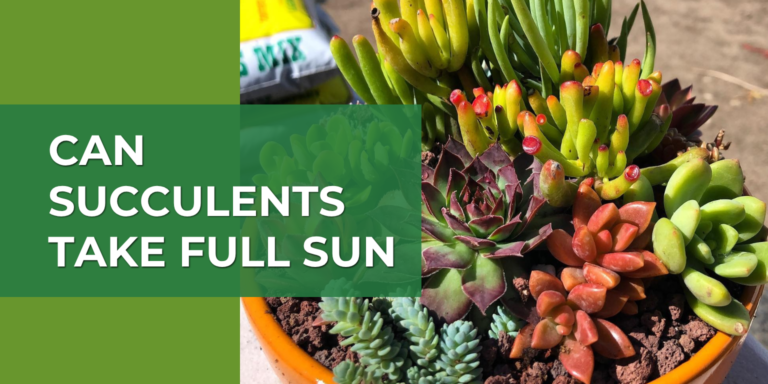
Best succulents for full sun:
- Sempervivum (Hens and Chicks): This is the ultimate survivor. It handles extreme winter cold and harsh direct sun perfectly.
- Sedum: Another extremely rugged option. The trailing varieties look great in outdoor hanging baskets.
- Agave parryi: A heat loving giant that easily handles brutal summer days in direct light.
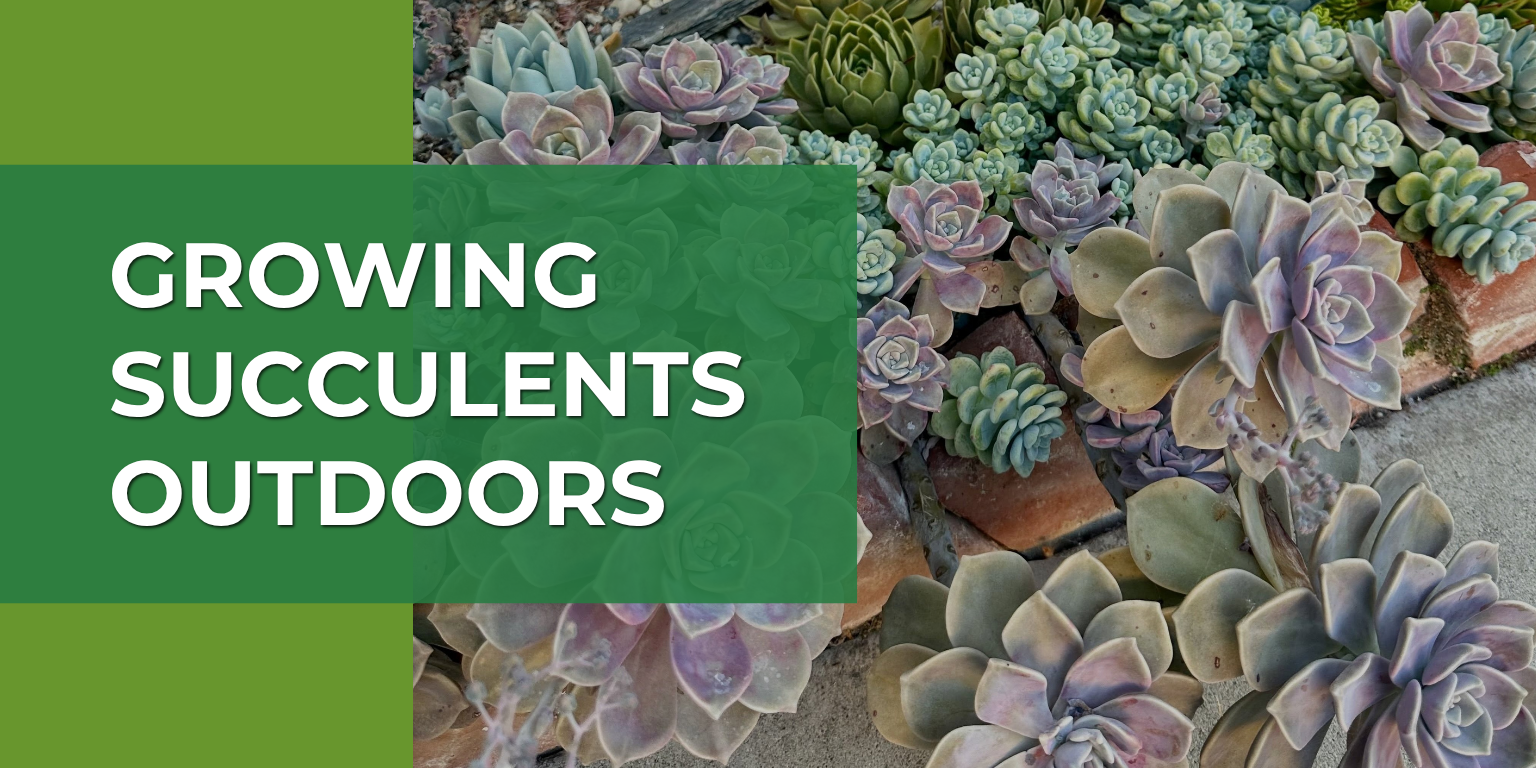
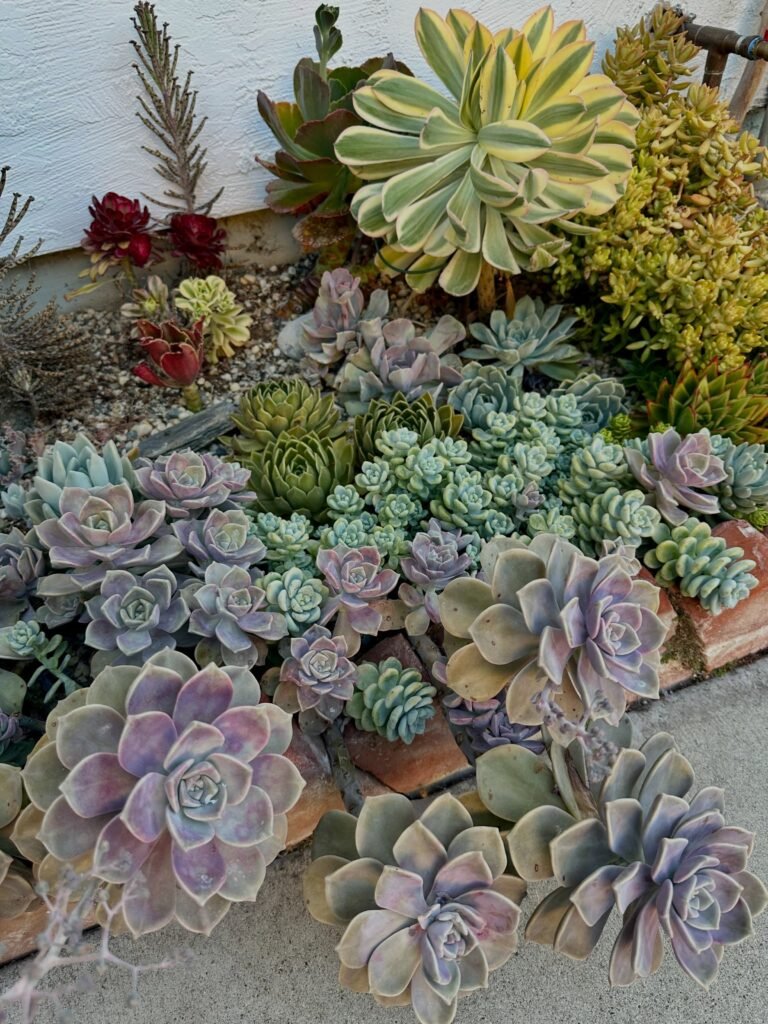
- Graptopetalum: These often turn a beautiful pink or purple color when exposed to bright outdoor light.
Best succulents for partial shade:
- Haworthia: These small striped plants are great for covered patios. They prefer bright indirect light and will turn brown if the sun hits them directly.
- Sansevieria: Often called Snake Plants. They thrive in indirect sunlight and can handle shady corners of your porch.
- Aloe Vera: While they like light, hot afternoon sun will scorch their thick leaves. Keep them in morning sun only.
Now that you have the right plant for your yard, you cannot just toss it outside into the sun. And here’s why that matters.
The 14 Day Plan to Prevent Sunburn and Plant Shock
Plants get sunburned just like humans do. A sudden move from a dim living room to a bright outdoor patio will shock your plant. Indoor light is incredibly weak compared to the actual sun.
You need to harden off your succulents. This is a gardening term that simply means giving them a slow and steady introduction to the outdoors. Do this wrong, and the leaves will burn.
Follow this exact 14 day schedule to keep your plants safe:
- Move your plant outside to bright but completely shaded spot for the first 3 days. A covered porch is perfect.
- Move the plant into morning sun before 10 AM on days 4 through 7. Give it just one or two hours of direct light. Morning sun is cool and safe.
- Increase the direct sun exposure by one hour every few days during week two. Let the plant experience slightly warmer afternoon light.
- Move the plant to its final sunny spot on day 14.
You must watch out for white or brown scabby patches on the leaves during this process. That is sunburn. Sunburn damage is permanent. The burnt leaf will eventually fall off, but it will never heal.
If you see burn marks, immediately move the plant back into the shade for a few days. If the leaves stay plump and keep their healthy color, you are ready for full exposure. Good outdoor succulent care requires this patience.
Why Your Current Soil is Causing Root Rot
The soil your succulent came with from the nursery will probably kill it outdoors. Nurseries often use heavy peat moss for shipping their plants safely. Peat moss holds way too much water during heavy outdoor rainstorms.
Standard potting soil from the hardware store also traps too much moisture. When roots sit in wet soil, they suffocate. This leads to root rot. Root rot turns healthy roots black and completely translucent. The plant will smell slightly like a swamp. By the time you notice the stem turning black, the plant is usually dead.
You need to build a gritty mix instead. The rule of thumb from the Cactus and Succulent Society of America is simple to follow. An ideal outdoor mix needs 50 to 70 percent inorganic matter.
Inorganic matter means rocks and minerals that do not hold water. Good materials include pumice, perlite, or crushed granite. You can mix one bag of regular potting soil with one bag of perlite to create a cheap and highly effective outdoor soil.
Your pots absolutely must have large drainage holes. Never put a succulent in a pot without a hole. Rainwater will fill the pot like a bathtub and drown the plant.
Material matters too. Terracotta pots breathe better than plastic ones. The clay pulls moisture out of the soil and helps the roots dry faster. Plastic pots trap moisture, which means you have to be much more careful with your watering can.
Once your soil drains in seconds, you need to master the watering schedule.
3 Watering Rules to Keep Outdoor Succulents Alive
Forget the old advice to water your plants once a week. Setting a rigid schedule is the easiest way to kill an outdoor succulent. Weather changes constantly. Rain changes everything.
You must use the soak and dry method. This is the only watering rule you will ever need.
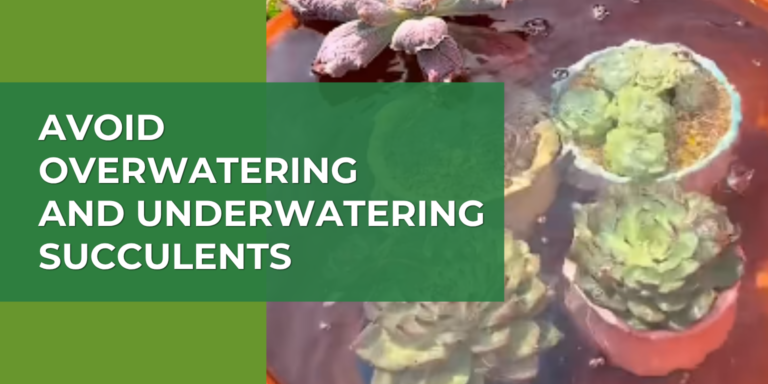
Here is how the soak and dry method works. You pour water over the soil until it pours out of the drainage hole. You want to drench the soil completely. Then you wait until the soil is bone dry all the way to the bottom of the pot before you water it again.
A moisture meter can help you check the bottom of the pot. You can also stick a dry wooden chopstick deep into the soil. If it comes out damp, do not water the plant.
Humidity and wind change how fast water evaporates. Hot and dry summer spells require much more frequent watering. Humid and rainy autumns require almost no extra watering from you.
A succulent sitting in wet soil for more than three days is at high risk of fungal infection. If a heavy rainstorm soaks your pots for days on end, you need to intervene. Tip your pots slightly after heavy rain to drain any excess water sitting on the top of the soil. Move potted plants under an awning if it rains for an entire week.
As the seasons change and temperatures drop, your watering habits must change entirely.
How to Overwinter Outdoor Succulents and Stop Freeze Damage
One unexpected frost can destroy years of growth overnight. Water inside the plant freezes, expands, and turns the cellular walls to mush.
You must know your USDA Hardiness Zone before winter hits. You can find this online by searching for your zip code.
Hard succulents can stay outside in the freezing cold. Sempervivum can survive temperatures down to negative 40 degrees Fahrenheit. They just go to sleep for the winter and wake up in the spring.
Soft succulents cannot survive freezing temperatures. A beautiful Echeveria will melt into mush at exactly 32 degrees Fahrenheit.
Overwintering outdoor succulents requires a strict plan for the cold months:
- Watch the weather report closely in autumn. Bring potted soft plants indoors a few days before the first expected freeze.
- Clean the pots and inspect the leaves for bugs before bringing them inside your home.
- Cover your in ground plants with floating row covers or thick frost cloths overnight to trap heat from the soil.
- Remove the frost cloths during the day so the plants get sunlight.
- Stop watering your outdoor plants almost entirely in winter. Cold and wet soil is a fatal combination for roots.
Make sure you act at the first sign of an autumn chill. Protect those plants early.
Conclusion
Growing succulents outdoors does not have to end in total disaster. You can have a beautiful and rugged patio garden if you follow the rules.
Success comes down to a gradual sun exposure plan. It requires highly gritty soil that drains water instantly. And it means knowing your local winter temperatures so you can protect vulnerable plants.
Give your plants the absolute best drainage possible. Protect them from sudden bright light when they first move outside. Check the soil before you water. And always bring the sensitive ones inside before the first freeze.
You can build an incredible outdoor space with these tough plants. What is your favorite outdoor plant right now? Comment below with your favorite succulent or share a photo of your current patio setup.