What Can You Do with Succulent Cuttings? Best Ideas
Pruning an overgrown plant leaves you with a pile of healthy green scraps on your table. Throwing those pieces away feels like a botanical crime. Most beginners know they should save their plant scraps. But they lack the creative vision to turn a random pile of stems and leaves into something beautiful or useful. You might just leave them sitting there until they dry up completely.
We can fix that problem today. Readers will discover exactly how to multiply their garden for free. You will learn to craft stunning living centerpieces for your dining room. We will cover how to create eco friendly gifts for your friends. You can even swap your extra pieces for rare plants. We will show you exactly how to propagate succulent cuttings step by step. You will never waste a healthy leaf again. Let us look closely at What Can You Do with Succulent Cuttings.
1. Grow Your Collection: How to Propagate Succulent Cuttings
The most logical step for a green cutting is to turn it into an entirely new plant. You get free plants with very little effort. But you must follow the golden rule of rooting first. You must always let the cut end callus before it touches any soil. A callus is simply a dry scab that forms over the open wound.
Leave the pieces in a dry spot out of direct sunlight for two to five days. If you skip this drying step, the fresh wound absorbs too much water. The plant will quickly rot from the inside out.
Stem Cuttings Give Fast Results
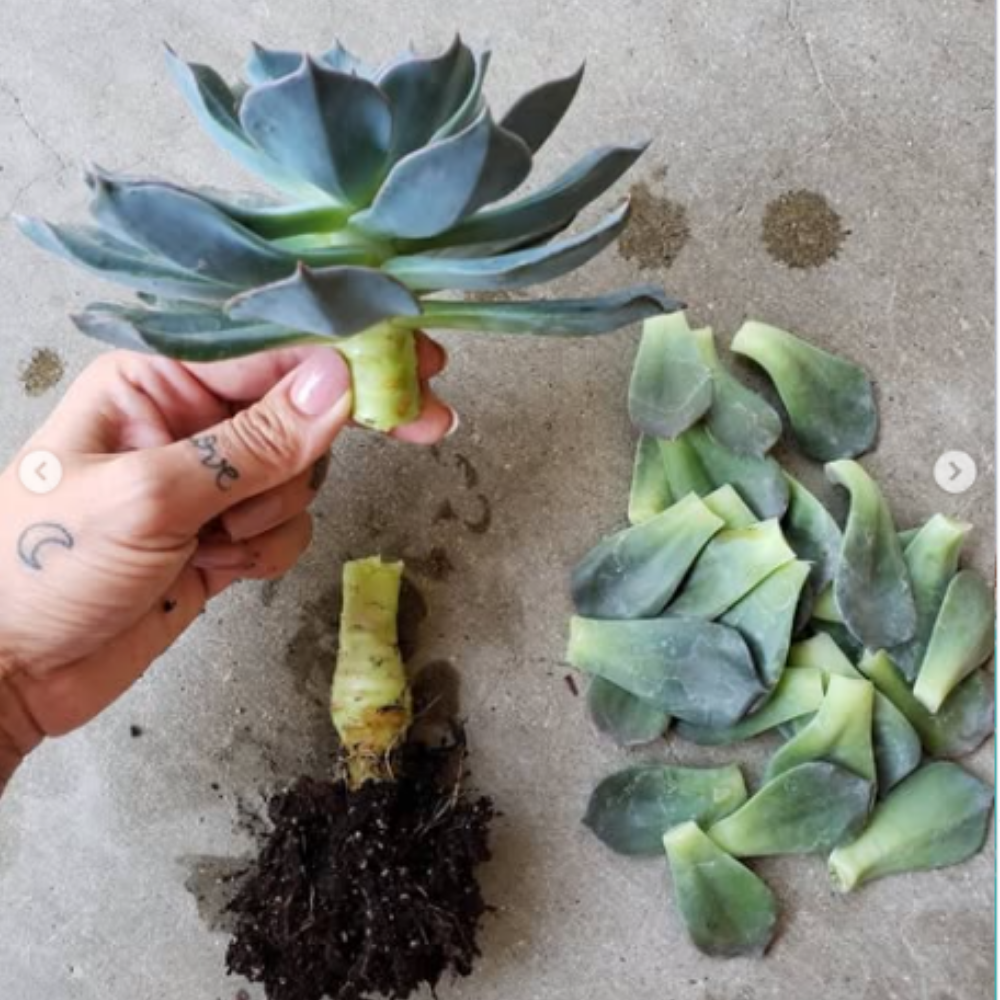
Stem cuttings grow much faster than individual leaves. They already have a structure in place. You just snip the top off a tall or leggy plant. Let the stem dry out for a few days to form that scab. Then stick the dry stem directly into a pot of fresh cactus soil. Keep the soil slightly damp but never muddy. Roots generally form within two to four weeks in warm spring or summer weather.
Leaf Cuttings Give More Plants
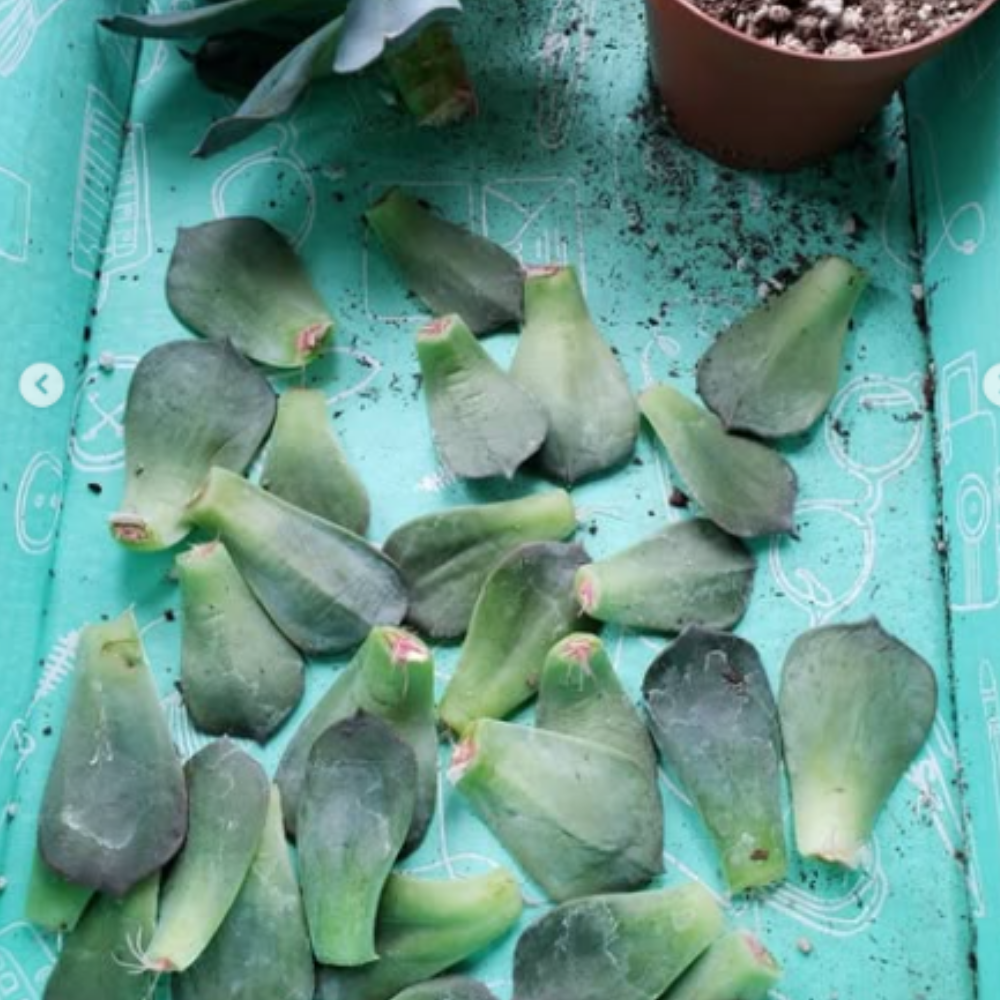
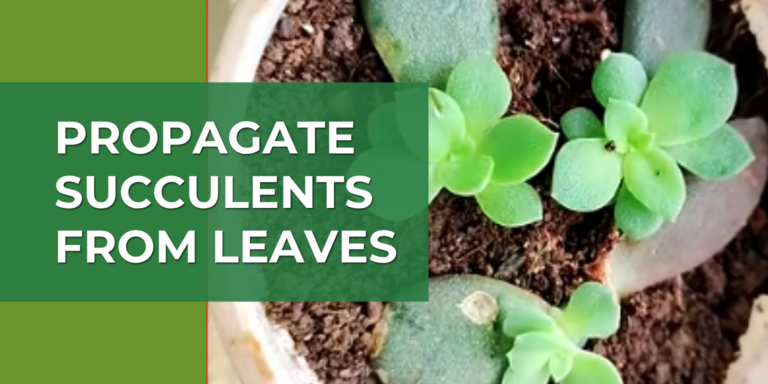
Leaf propagation takes much more time. But this method yields many more plants in the long run. A single stretched Echeveria plant can yield one new head, three stem cuttings, and up to twenty viable leaves for propagation. Gently twist a healthy leaf off the main stem. You need a completely clean break.
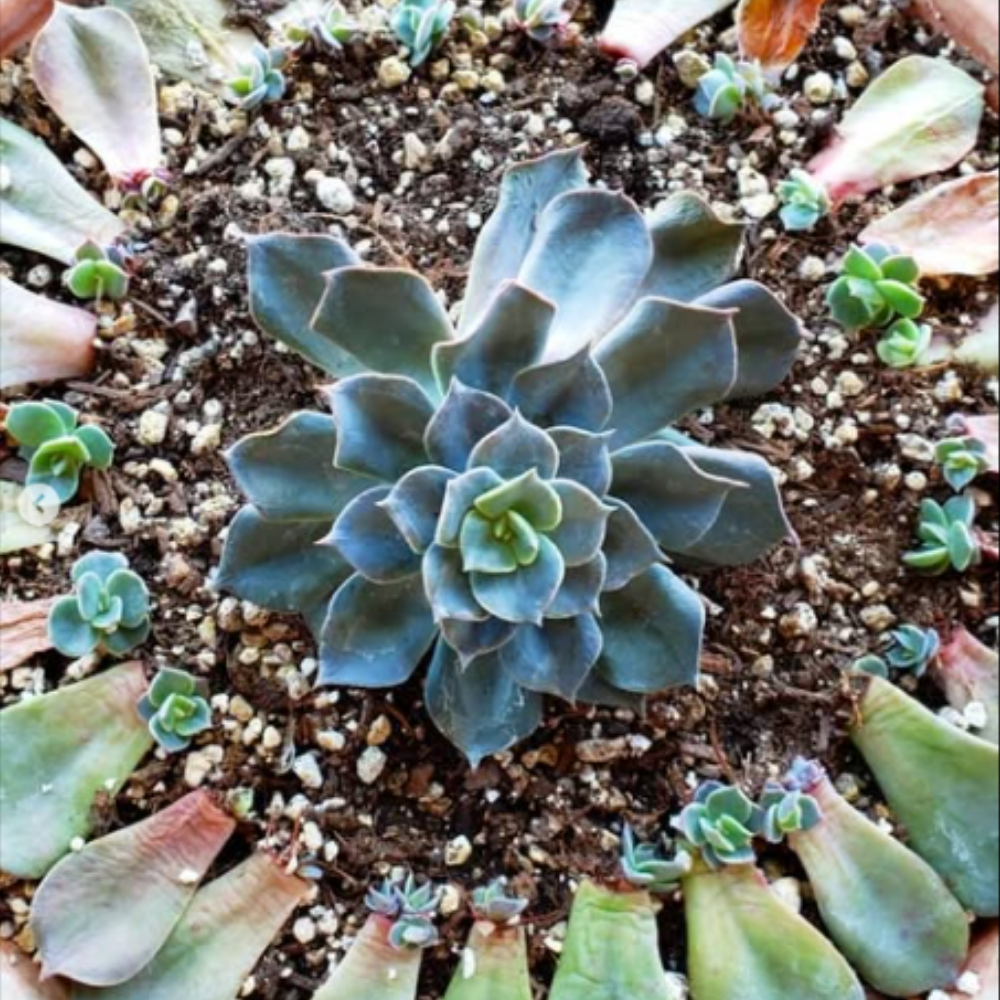
Lay the dry leaves flat on top of some shallow soil. Tiny pink roots will eventually sprout from the base. A miniature baby plant will grow from that exact spot. Mist the dirt lightly every few days only after you see roots appear.
2. Craft Stunning DIY Succulent Arrangements
You can use your plant scraps for immediate home decor. Cuttings are perfect for densely packed arrangements. They do not have bulky root balls getting in the way. You can squeeze them tightly together to create a lush and full look instantly. Experts like Cassidy Tuttle point out that cuttings thrive when packed closely. We have many succulent arrangements ideas to share with you.
Try The Thriller Filler Spiller Method
Building a beautiful pot is very easy with this classic design method. First, pick a tall or brightly colored piece for the center. This is your thriller. Next, add medium sized green rosettes around the base. These are your fillers. Finally, tuck a trailing plant near the edge so it hangs over the side of the pot. This is your spiller. A trailing String of Pearls works perfectly for this edge spot.
Use Non Traditional Planters
Rootless plant pieces do not need deep soil immediately. This fact opens up endless container options for your home. You can plant them in vintage teacups from a thrift store. You can tuck them into the cracks of a piece of beach driftwood. You can even make magnetic cork planters for your kitchen refrigerator. The shallow space works perfectly while they grow new roots over several months.
Quick Craft Idea: Try making a vertical living wreath for your front door. You do not even need dirt for this project. The plant pieces can survive on just sphagnum moss and floral glue for many months. Floral glue is completely safe for plant tissue. Just glue the dry ends directly onto a damp moss ring. Keep the wreath flat on a table for a few weeks to let the roots grab the moss before hanging it up.
3. Create Eco Friendly DIY Succulent Gifts
Living plants make perfect presents for any occasion. They are highly trending as sustainable alternatives to cheap plastic party favors. Cut flowers look nice but they die in just one week. A baby potted plant grows for years and reminds the person of you. You can easily create these eco friendly gifts at home.
Make Wedding and Party Favors
Mini terracotta pots make beautiful favors for weddings, baby showers, or dinner parties. You just fill the tiny pots with well draining cactus dirt. Then place a callused rosette right on top of the soil. Add a small layer of decorative gravel to make it look professional and finished. Tie a small ribbon around the rim. Your guests will love taking home a real piece of nature.
Follow The Project Timeline
Do not make these the night before your big party. Make them two full weeks in advance. The stems need time to root and stabilize in the dirt before gifting. This extra time ensures your guests take home a healthy plant that will actually survive on their windowsill.
Budget Breakdown: Creating your own DIY succulent gifts saves you a lot of money. A homemade party favor costs roughly one to two dollars per unit. Buying them pre made from a retail nursery usually costs six to ten dollars each. That price difference adds up very fast for a large wedding or event.
4. Sell or Swap: The Plant Exchange Economy
Sometimes you just have way too many plants. You simply run out of sunny windowsill space. If you have too many extra pieces, you can use them as actual currency. The plant exchange economy is huge right now. You can trade your common scraps for something completely new.
How to Package Safely
Shipping plants in the mail sounds scary at first. But these desert plants are very tough. They can safely sit unplanted in a dark and dry spot for several weeks without dying. This gives crafters and traders plenty of time to ship them across the country.
- Pick a sturdy cardboard box that will not crush in transit.
- Wrap the dry pieces gently in soft tissue paper to protect the leaves.
- Pack the extra empty space with crumpled newspaper so nothing moves around.
- Never include wet paper towels inside the package. Extra moisture inside a dark box causes instant rot.
Finding Swap Partners
You can find eager trading partners everywhere online. Facebook plant purge groups are very popular for buying and selling. The TakeaPlantLeaveaPlant community on Reddit is a highly active space for trading. You can also check for local community swaps at your public library or neighborhood garden center. People love meeting in person to share their collections.
Rare plant pieces carry a lot of value in these groups. A variegated String of Hearts cutting can be traded for highly sought after wish list plants. You get exciting new varieties without spending a single dime of your own money.
Conclusion
Every pruned stem or dropped leaf is a brand new opportunity. You can propagate them for lots of free plants. You can craft them into beautiful door wreaths. You can gift them to your friends and family. You can even trade them for rare varieties across the whole country.
Go look at your scrap pile right now. Pick one fun project from this list. Start letting those pieces callus today. With these creative ideas, you never have to wonder What Can You Do with Succulent Cuttings again.