What Type of Succulent Do I Have? Here’s How to Identify It
Bringing home a beautiful new plant is an exciting moment. You look at the plastic tag stuck in the dirt. It simply says Assorted Foliage. This frustrating moment is a common event for every indoor gardener.
You cannot properly care for a plant if you do not know what it is. Different plants have vastly different light and water needs. Treating a shade loving Haworthia the same as a sun loving Echeveria is a guaranteed recipe for disaster. Proper identification is the first mandatory step to keeping your new plant alive.
There are over 10,000 succulent species spread across 60 different plant families. You might feel totally lost. But we can play plant detective together.
You will learn a simple visual framework to narrow down your plant family. We will check the leaves, stems, and growth habits. You will also learn about the most accurate digital tools available today to confirm your guess. By the end of this guide, you will exactly identify my succulent quickly and easily.
Step 1: Analyze the Leaf Shape and Texture
Start your detective work with the most obvious feature of the plant. Zoom in on the leaves. The shape and feel of the leaves give you massive clues about the plant family. Does your plant look like a green rose, or a bowl of peas?
Look closely at the overall leaf shape.
- Are the leaves shaped like a tight rose? This circular shape is called a rosette. A rosette shape usually means you have an Echeveria or a Sempervivum.
- Are the leaves long and spiky? Plants with thick and sword shaped leaves usually belong to the Aloe or Agave families.
- Do the leaves look like little round pebbles or small grapes? Round leaves often point to a Senecio or a Pachyphytum.
Next, you need to check the texture. Gently touch the top of a leaf.
- Is the surface completely smooth and slightly chalky?
- Is the leaf fuzzy and covered in tiny soft hairs?
- Does the leaf feel bumpy with distinct white ridges?
Finally, look at the leaf edges. Run your finger very gently along the outside margin. Some leaves are perfectly smooth. Other leaves have tiny teeth or sharp spines.
You can easily use this process of elimination. Contrast the smooth and chalky rosette of an Echeveria with the white and warty stripes of a Haworthia fasciata. They look and feel completely different. Paying attention to these physical traits helps you narrow down the options fast.
Step 2: Observe the Growth Habit
Now you need to zoom out. Look at the whole pot. The way a plant physically grows is called its growth habit. This growth style tells you how the plant survives in its natural habitat. It also tells you what kind of container it needs in your home.
Does the plant grow upward on a thick and woody stem? This makes the plant look like a miniature tree. This upright style is very common in desert shrubs. The Crassula ovata is the classic tree shaped example.
Does the plant trail and spill over the edge of the pot? These plants grow like a long vine. In nature, trailing plants hang off steep rocks. The Senecio rowleyanus is the classic trailing example.
Does the plant grow in tight and low clusters hugging the soil? These clumping plants spread outward instead of upward. They create a dense mat on top of the dirt. Many Haworthia and Sempervivum plants grow this way.
Answering these questions brings you one step closer to solving the puzzle. You might ask What Type of Succulent Do I Have right now. Take a piece of paper and write down the shape, texture, and growth habit you just observed.
Quick Mobile Cheat Sheet
If you are reading this on your phone at a garden center, use this fast reference guide. Match these physical traits to the most likely plant family.
Rosette Shape + Smooth Leaves = Echeveria Rosette Shape + Spiky Edges = Sempervivum Thick Stems + Oval Leaves = Crassula Trailing Vines + Round Leaves = Senecio Spiky Leaves + Serrated Edges = Aloe Dark Green Leaves + White Bumps = Haworthia Fuzzy Leaves + Brown Edges = Kalanchoe
Top 5 Most Common Succulent Types
There are thousands of species out there. But big box stores usually sell the same few varieties. Here is a detailed look at the five most common succulent types you will find in stores.
1. Echeveria
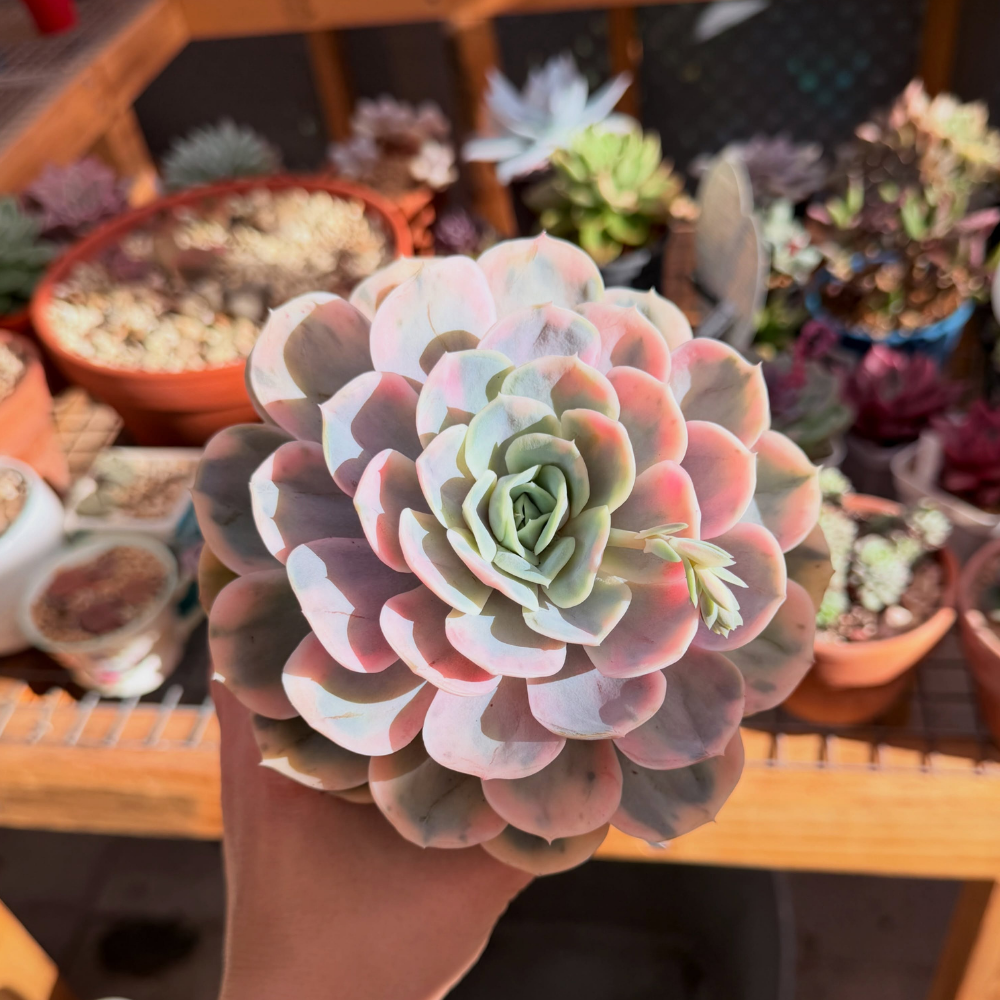
Echeverias are the most frequently sold indoor succulents globally. They make up roughly 40 percent of big box store assorted trays. They form perfect tight rosettes. They come in beautiful pastel colors like pink, purple, and pale green. Their leaves often feel smooth and slightly chalky. They love full bright sun. Without enough light, they stretch out and look messy.
2. Haworthia
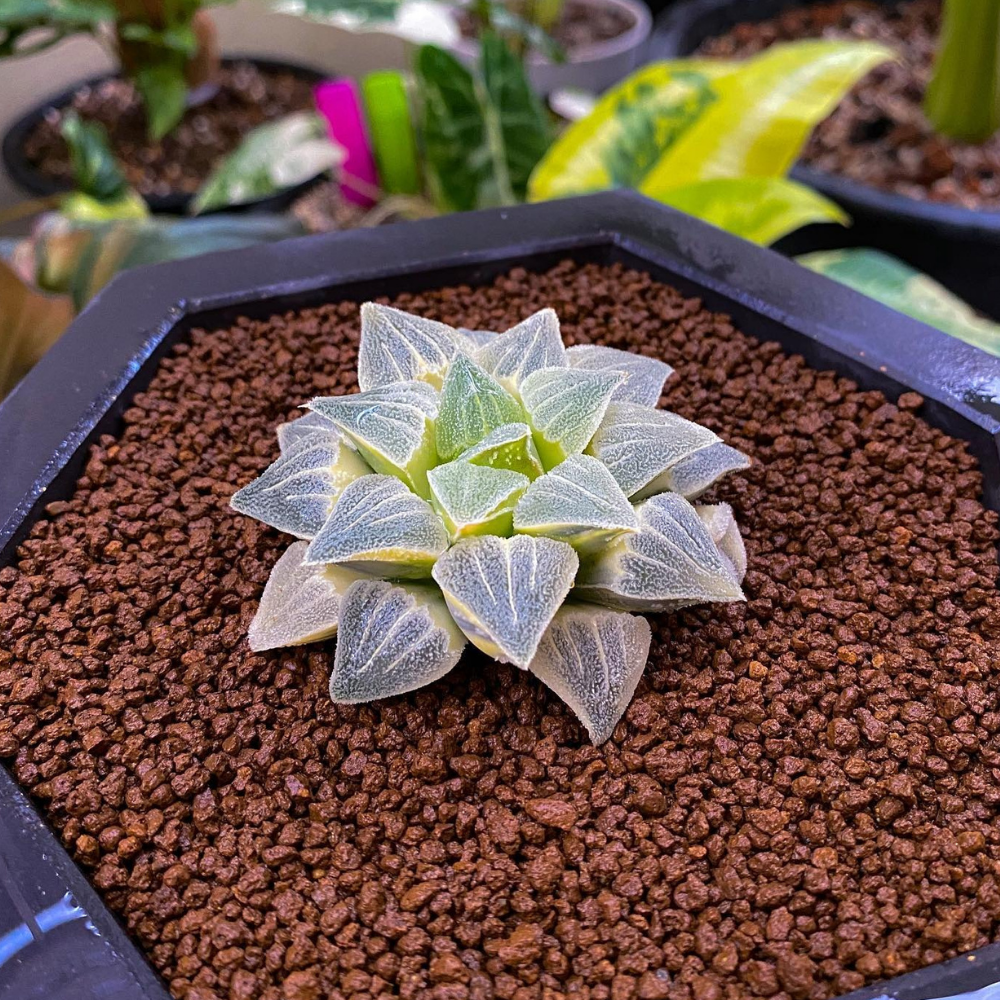
Haworthias look like miniature Aloe plants. They usually have dark green leaves. The leaves are covered in striking white stripes or raised white bumps. The Haworthia fasciata is famously called the Zebra Plant. These plants grow in low clumps. They actually tolerate lower light very well. Haworthias are your best bet for a darker office desk.
3. Aloe
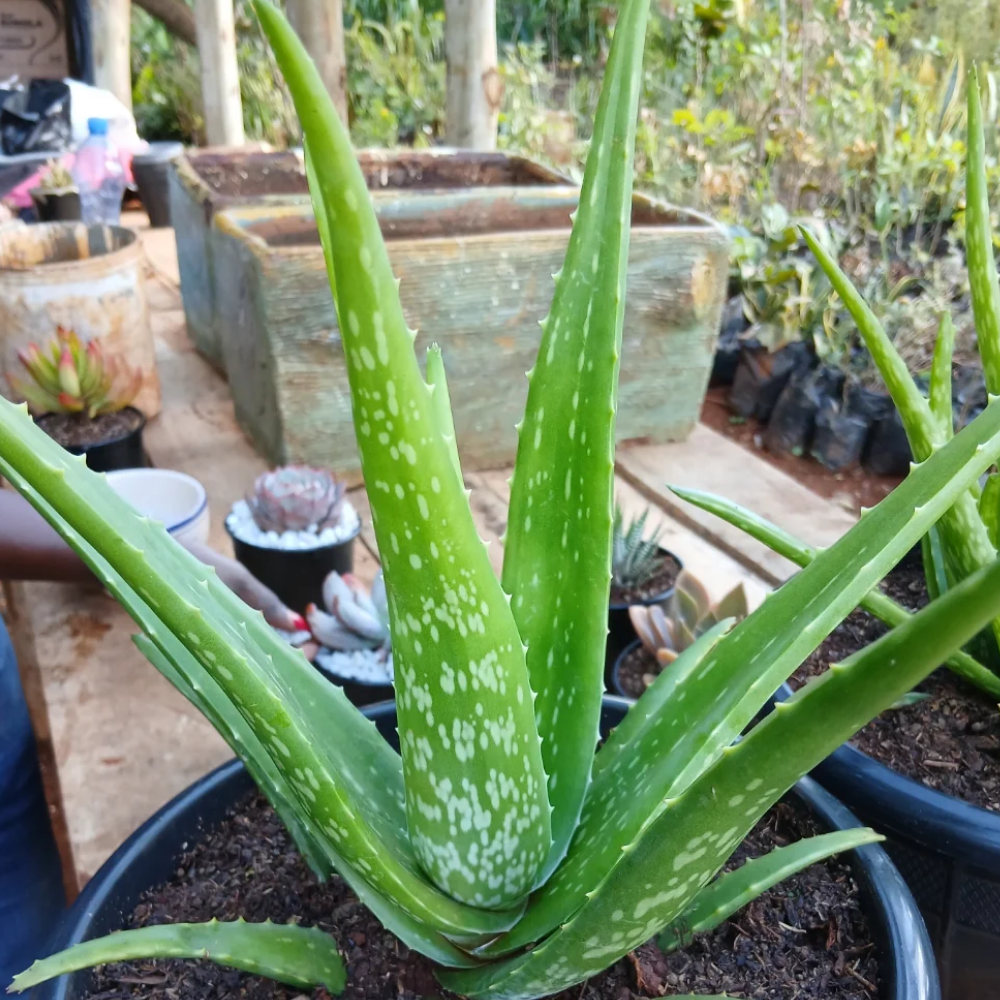
Aloe plants are very easy to spot. They have long and thick sword shaped leaves. The leaf edges usually have small serrated teeth. You need to know how to tell an Aloe apart from an Agave. Agave leaves are very fibrous and have a dangerous sharp spine at the tip. Aloe leaves are squishy and filled with a soothing gel. Aloe vera is the most famous member of this family.
4. Crassula
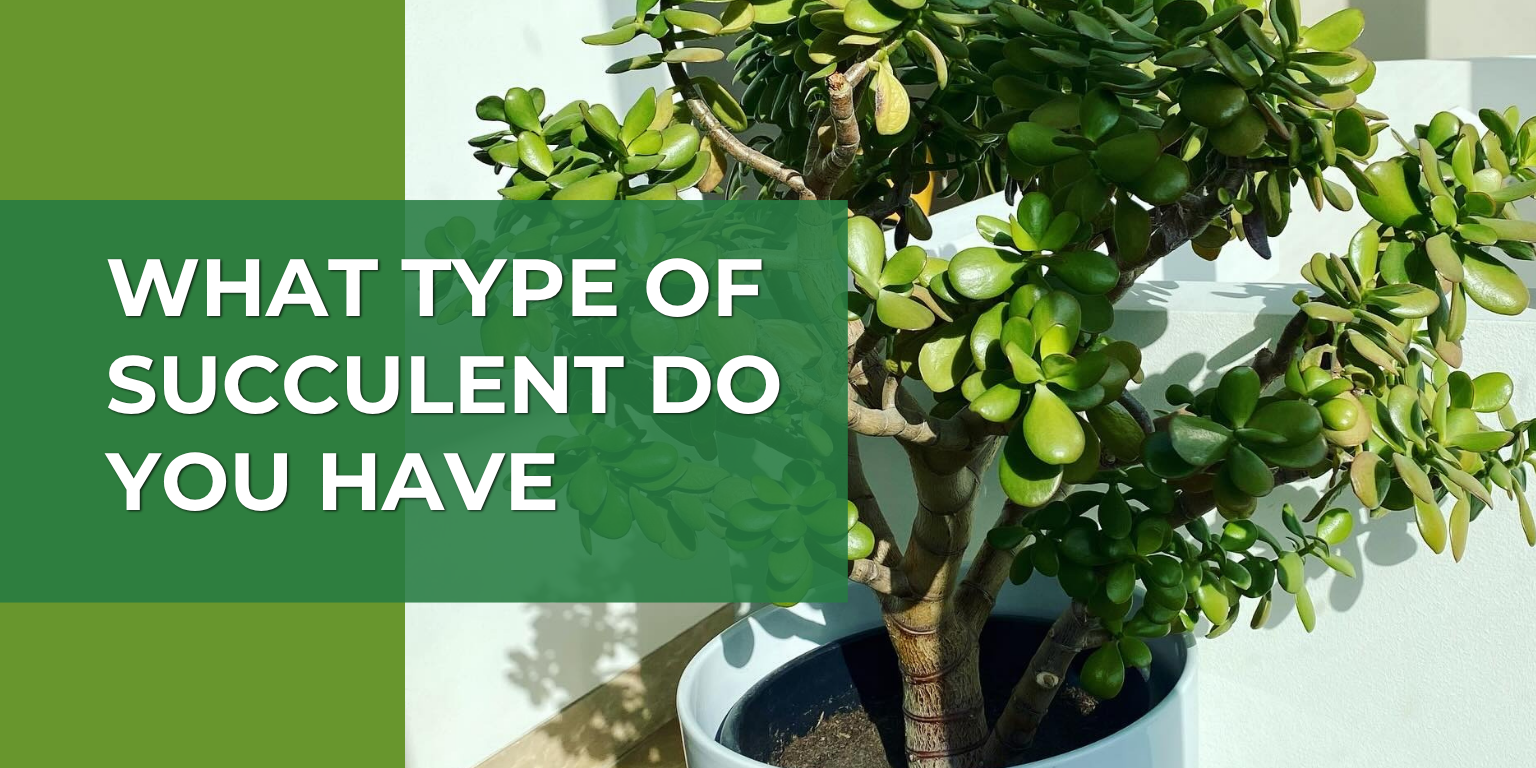
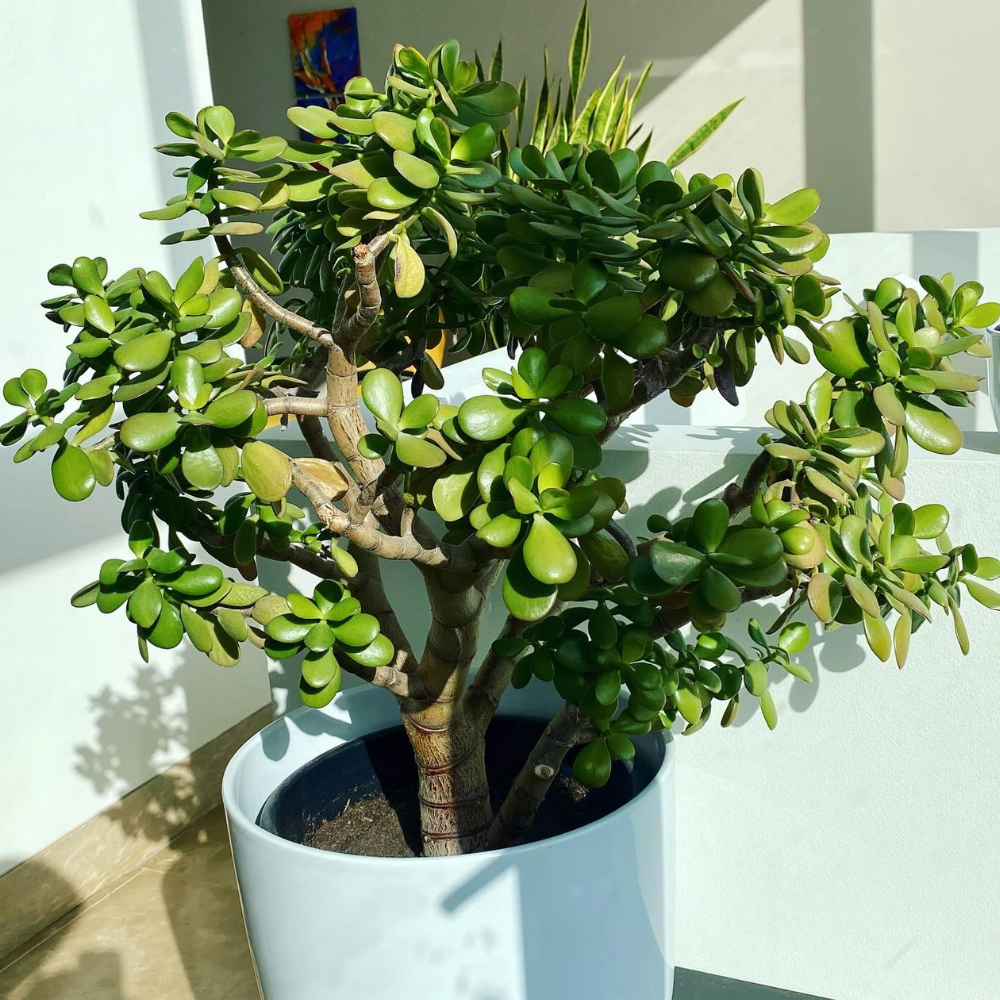
The Crassula family features thick and woody stems. They grow upright like small bushes or trees. The leaves are usually shiny, smooth, and oval shaped. They come in a deep jade green color. The Crassula ovata is commonly known as the Jade plant. They are incredibly tough plants. They can live for decades on a sunny windowsill.
5. Kalanchoe
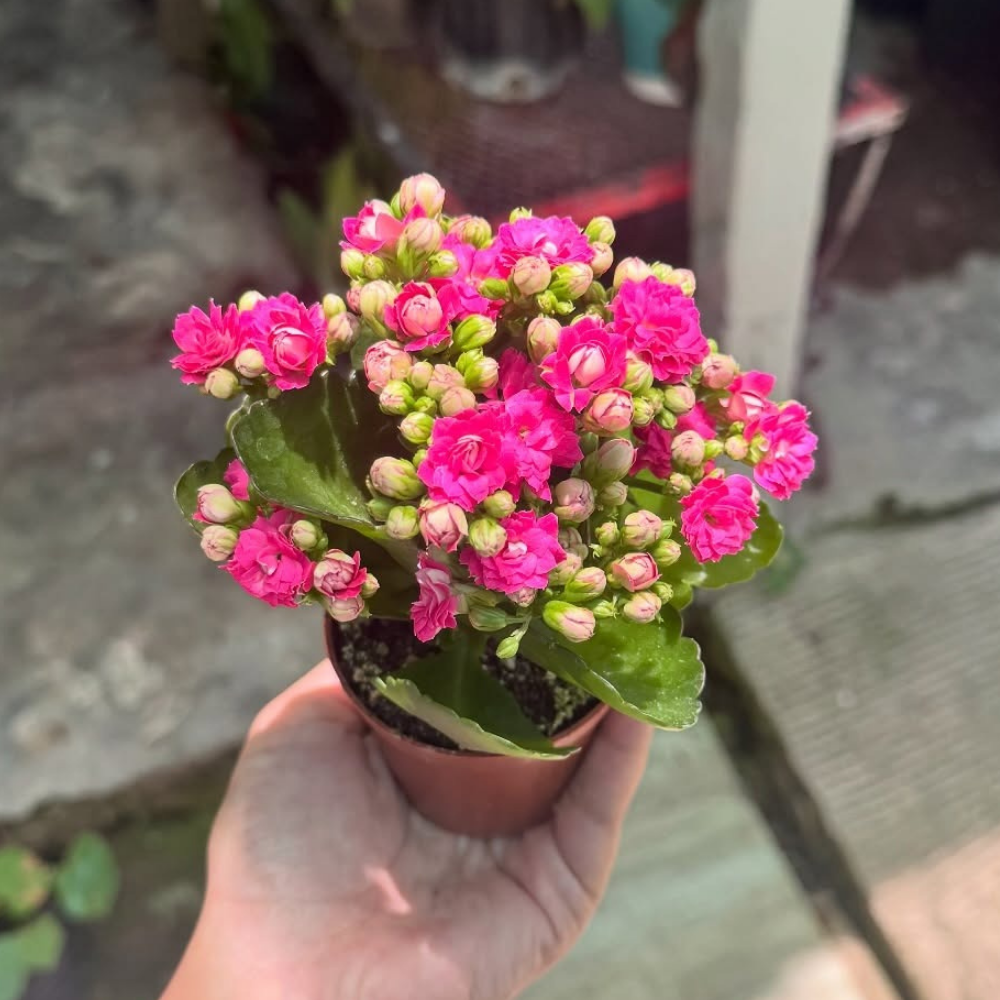
Kalanchoe plants are known for their unique leaf edges and textures. Many varieties have distinct scalloped leaf margins. Some types are completely covered in soft fuzzy hairs. The Kalanchoe tomentosa is affectionately called the Panda Plant because of this brown fuzz. The fuzz actually protects the plant from intense desert sun.
The Best Succulent Identification Apps for 2026
Sometimes visual guessing is not enough. Plant breeders create new hybrids every single year. Hybrids mix traits from different plants. This makes them incredibly hard to spot by eye alone. When you get stuck, you should use technology to confirm your guess.
You need a good succulent identification app. Artificial intelligence plant recognition is currently over 90 percent accurate for common houseplants. This high accuracy rate requires a clear photo taken in good lighting.
Google Lens This is the best free and built in option for instant visual searches. You just open the app and point your phone camera at the plant. Google Lens scans the internet for matching images. It works very fast and usually gives you the correct genus right away.
PictureThis This app is a dedicated botanical database. It is incredibly robust for recognizing specific cultivars and strange hybrids. You snap a photo and the app gives you the exact scientific name. It also provides a detailed care guide for your specific plant.
PlantNet This is a fantastic citizen science project app. Botanists and scientists help verify the plant photos. It is highly accurate and completely free to use.
Pro Tip for Better Photos: AI apps need to see the true color and texture of the plant. Always wipe the dust off the leaves before taking a photo. Use plain natural sunlight. Avoid taking photos at night with yellow indoor lamps. A clean leaf and bright light will give you a perfect match.
Conclusion
Identifying a mysterious new plant is completely doable. It is just a matter of playing detective. You simply check the leaf shape, observe the growth habit, and feel the texture. You can then back up your smart guess with a quick smartphone scan.
Knowing exactly what plant you own is the true secret to a thriving indoor garden. You can stop guessing about sunlight. You can stop worrying about your watering schedule.
Grab your phone and head over to your windowsill right now. Put a real name to your mystery plant using the simple criteria above. By using these visual clues, you will never have to ask, What Type of Succulent Do I Have ever again.