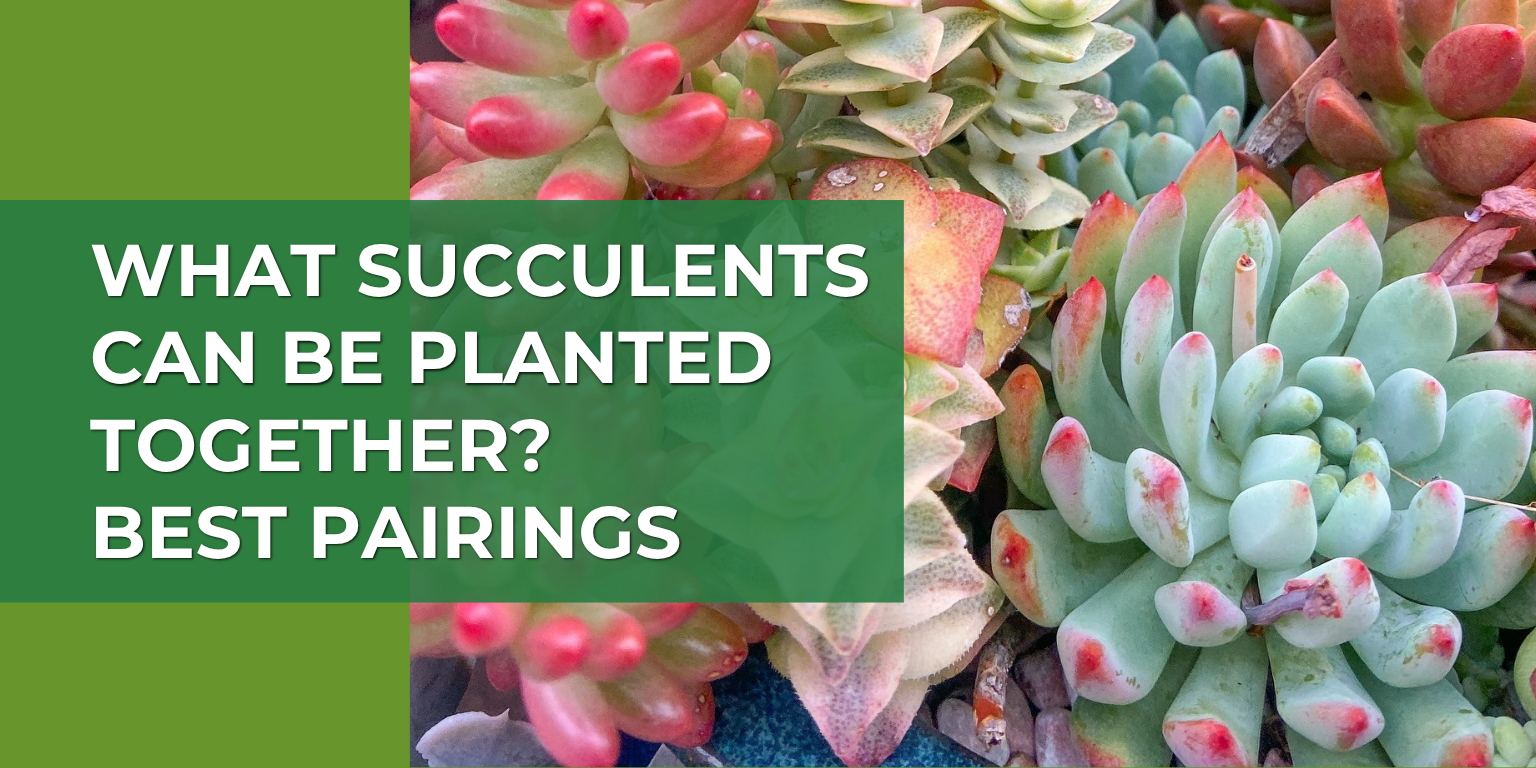
What Succulents Can Be Planted Together? Best Pairings
You put three beautiful plants into one decorative pot. The arrangement looks perfect on your patio table. A month later, one is rotting and another is totally dried out. You feel confused and annoyed.
It is frustrating to spend good money on beautiful plants just to watch them fail. You did not do anything wrong with your watering schedule. The plants were simply bad roommates. They wanted completely different things to survive.
You will learn the golden rules of plant matching today. We will cover exactly which plants share the same watering needs and light preferences. You will also get foolproof pairing recipes to copy. These recipes prevent dead plants. Let us explore exactly What Succulents Can Be Planted Together for a healthy container garden.
The Golden Rule: Match Light and Water Needs
The absolute most important rule is pairing plants with the exact same light needs. Light dictates how much a plant drinks. Putting a shade loving plant with a sun worshiper guarantees one will die.
The sun plant will stretch out in the dark. The shade plant will burn to a crisp in the sun. You must also match their thirst levels perfectly. Look closely at the leaves of your plants.
Fleshy thick leaves hold a lot more water inside. These thick plants need less frequent watering than plants with thin leaves. Grouping by genus is the easiest cheat code for beginners. Plants from the same family usually share the same care rules. This removes the guesswork completely.
Echeveria and Haworthia look great together on a garden center shelf. But they have opposite light needs. Putting them in one pot is a recipe for disaster. Finding succulents with same light and water requirements fixes this issue completely. You can always check the small plastic tags at the nursery to confirm their light preferences before buying.
Why Do Growing Seasons Matter?
Plants have different seasons where they actively grow or sleep. This natural cycle is called dormancy. You must respect this schedule to keep them alive. Botanical experts warn that ignoring dormancy causes severe root rot.
Summer growers want more water when it is hot outside. They use this water to push out new leaves and roots. Winter growers sleep through the summer heat. These sleeping plants need very dry soil to survive the hot months.
Mixing these two types causes a huge problem. You will water the active plant to keep it happy. But that same water surrounds the sleeping plant. The sleeping roots cannot absorb the moisture. The sitting water causes rot immediately.
Agave grows actively in the summer. Aeonium grows actively in the winter. Keep them in separate pots. This simple separation helps you figure out What Succulents Can Be Planted Together easily. You can enjoy watching each plant thrive in its proper season.
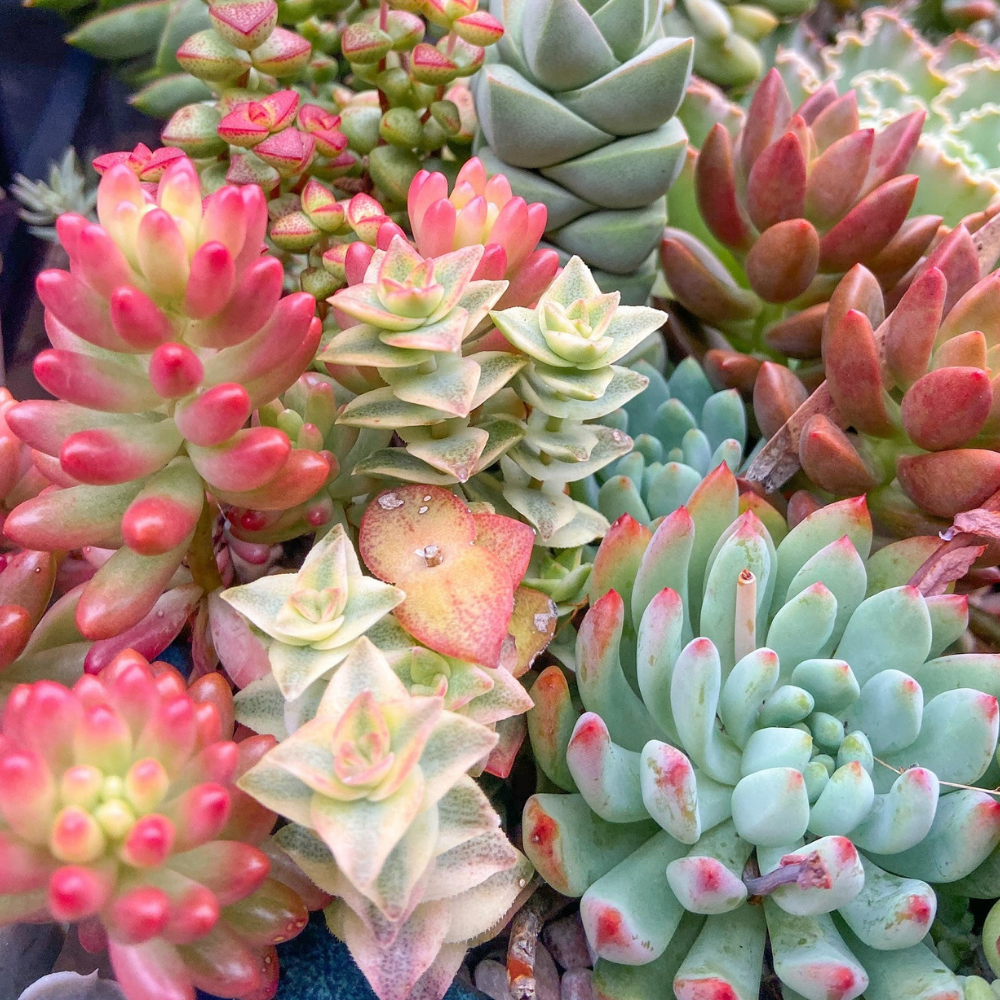
3 Steps to the Thriller Filler Spiller Formula
You want your mixed pot to look like it came from a professional nursery. You can achieve this by following a basic design rule. Design your pot using three specific plant shapes for maximum visual impact. This method creates depth and texture.
Here is how you build a stunning container.
- Pick a tall center plant that catches the eye to act as your thriller.
- Choose a low plant that spreads out to cover the bare dirt for your filler.
- Add a trailing plant that hangs down the side of the container as your spiller.
This classic formula creates the best succulent combinations for any patio. Use a tall Jade plant as your thriller. Use colorful Sedum as your filler. Let a String of Pearls trail over the edge as your spiller.
They share similar care needs and look incredible together. You just need to make sure your pot has a large drainage hole at the bottom. Proper drainage keeps all three layers of your design perfectly healthy.
3 Foolproof Succulent Arrangement Pairings
Figuring out exactly what to buy can feel overwhelming at the store. You might stare at all the little plastic pots and feel lost. Here are three exact succulent arrangement pairings you can copy right now. These recipes are guaranteed to thrive together.
- The Full Sun Pot: Mix Echeveria with Graptopetalum. Both love bright direct light and dry soil. They will show off beautiful pink and purple colors in the sun.
- The Low Light Pot: Mix Haworthia with Gasteria. Both thrive in bright indirect light and tolerate indoor conditions well. They are perfect for an office desk or a shady porch corner.
- The Fuzzy Pot: Mix Panda Plant with Bear Paw. Both feature fuzzy leaves and need very little water. The soft texture makes this pot very unique.
You can also try mixing specific varieties for maximum visual impact. Echeveria Captain Hay and Sedum rubrotinctum Aurora create a stunning pink and green color contrast. They share the exact same care needs. You can place them in a bright sunny window and watch them grow together perfectly.
Which Plants Should You Never Mix Together?
Some plants are simply terrible roommates. You need to know which combinations guarantee failure. Avoid these pairings to save your money and your plants.
- Never put cacti in the same pot as leafy fleshy plants. Cacti need far less water than a leafy plant. The leafy plant will dry out while the cactus rots.
- Keep Mesembs like Lithops or Split Rocks completely alone. They rot instantly if watered at the wrong time.
- Do not pair incredibly fast growers with very slow growers. The fast plant will block the light and steal all the root space.
An Echeveria needs water every two weeks. But Lithops might go six months without a single drop. This massive contrast in care needs proves why they must live alone.
Sedum grows extremely fast. It will quickly overtake a slow growing Echeveria unless you trim it regularly. The fast roots will literally strangle the slow roots under the dirt. Give those weird or fast plants their own solo pots.
How to Test the Soil in a Crowded Pot
Watering a mixed pot can be tricky. The top layer of dirt might look totally dry. But the soil deep down near the roots might still be wet. You need a way to check the moisture level without digging up the plants.
You can use a simple trick from your kitchen. Grab a wooden chopstick or a wooden skewer. Push the wooden stick deep into the dirt between the plants. Pull the stick out and look at the wood.
If the wood is dark and wet, do not water the pot. If the wood is completely dry and clean, it is time for a drink. This simple tool helps you avoid accidental overwatering in crowded containers. Always use a gritty cactus soil mixed with extra perlite. This ensures the water drains fast enough for all the roommates in the pot.
Conclusion
Creating a beautiful mixed pot is easy when you match light, water, and growing seasons. Following the thriller filler spiller formula gives you a professional look. You now have the exact recipes to build a stunning container.
Go check your current mixed pots right now. Look to see if you accidentally paired a cactus with a leafy plant. Repot them today if they are bad roommates. Now you know exactly What Succulents Can Be Planted Together to create a stunning container garden.