How to Avoid Overwatering and Underwatering Succulents
You stare at a sad plant on your desk. You wonder if you should give it a drink or leave it alone. Succulents are famous for being the ultimate low maintenance houseplants. Yet water mismanagement remains the number one reason they do not survive.
It is incredibly frustrating to watch a beautiful plant wilt. The symptoms for too much love and too little look confusingly similar to a beginner. Getting this right is completely possible for anyone. You just need to know exactly what to look for.
This guide will clear up the confusion. You will learn the water balloon anatomy of these desert plants. You will discover how to decode visual cues like translucent or wrinkled leaves. We will also reveal the expert backed soak and dry method to perfect your succulent watering schedule. Read on to learn exactly How to Avoid Overwatering and Underwatering Succulents.
The Anatomy of a Succulent: Why Does Water Matter?
Succulents come from harsh, arid climates. They are built to survive intense droughts. They do this by storing massive amounts of water in their fleshy leaves, stems, and roots.
Think of their plant cells as tiny water balloons. When they are properly hydrated, these balloons are plump and firm. The plant looks healthy and strong. If you overfill these balloons, a major problem happens. The cell structures stretch too far and burst.
Burst cells lead directly to rotting tissue from the inside out. A succulent can easily survive months of severe drought. But it can rot and die within just a few days of sitting in excess water.
Learning this basic biology changes everything. You can stop guessing what your plant needs and start reading its physical signals instead. A solid grasp of this water balloon concept makes spotting the signs of an overwatered succulent incredibly simple.
3 Clear Signs of an Overwatered Succulent (Too Much Love)
Catching the signs of an overwatered succulent early is the best way to save it. Too much moisture causes those internal water balloons to explode. This creates very specific physical symptoms you can clearly see and feel.
- Leaves begin to look pale, turn yellow, and appear almost completely translucent.
- The foliage feels incredibly soggy or mushy to the touch.
- Plump leaves fall off the stem with the slightest bump.
- Black spots appear on the stems.
Pro Tip: Try the touch test. Give a questionable leaf a very gentle squeeze. A healthy leaf feels solid and firm. A waterlogged leaf feels exactly like a squishy grape.
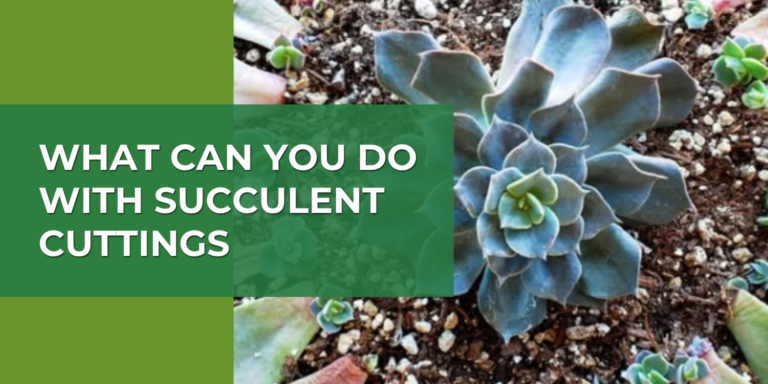
Let us look at the Echeveria as a specific example. When this beautiful rosette plant gets too much water, the center loses its vibrant color. It turns a sickly light green or yellow. This happens right before the squishy leaves start dropping off.
If the base of your plant turns brown and mushy, you have a clear indicator of root rot. Root rot spreads fast and kills quickly. If you see black or slimy spots, you must learn how to save a dying succulent immediately before the rot destroys the entire stem.
3 Signs of an Underwatered Succulent (Thirsty Plants)
Unlike the mushy mess of overwatering, a thirsty plant looks completely different. An underwatered plant pulls moisture from its own storage reserves to stay alive. This shrinking process leaves very clear clues.
- The skin of the leaves develops distinct wrinkles, looking very much like a shriveled raisin.
- The foliage becomes soft and droopy with completely sagging tips.
- The bottom most leaves will turn brown, dry, crispy, and papery.
- Crucially, these leaves will not look translucent or soggy at all.
Myth Buster: You must learn to tell the difference between normal aging and severe thirst. It is totally normal for the lowest leaves on the stem to dry up and die off. The plant absorbs them for energy. You can just gently pull those crispy leaves away.
However, if the whole plant droops and the upper leaves get wrinkled, it is truly thirsty. This is the easiest plant problem to fix in the world. Recognizing these dry symptoms is the absolute secret to How to Avoid Overwatering and Underwatering Succulents.
Quick Mobile Guide for Easy Scanning:
- Overwatered: Yellow and translucent, mushy to the touch, leaves fall off easily.
- Underwatered: Shriveled and dry, wrinkled like a raisin, bottom leaves turn crispy.
The Expert Soak and Dry Succulent Watering Schedule
You might think your plant needs a little splash of water every day. That is a dangerous myth. You should never add water on a strict calendar day. You must always base your succulent watering schedule on actual soil dryness.
Specialty growers like Joy Us Garden recommend giving a drink only when the soil is almost or completely dry. Experts at Ottershaw Cacti strongly advocate for a specific technique called the soak and dry method.
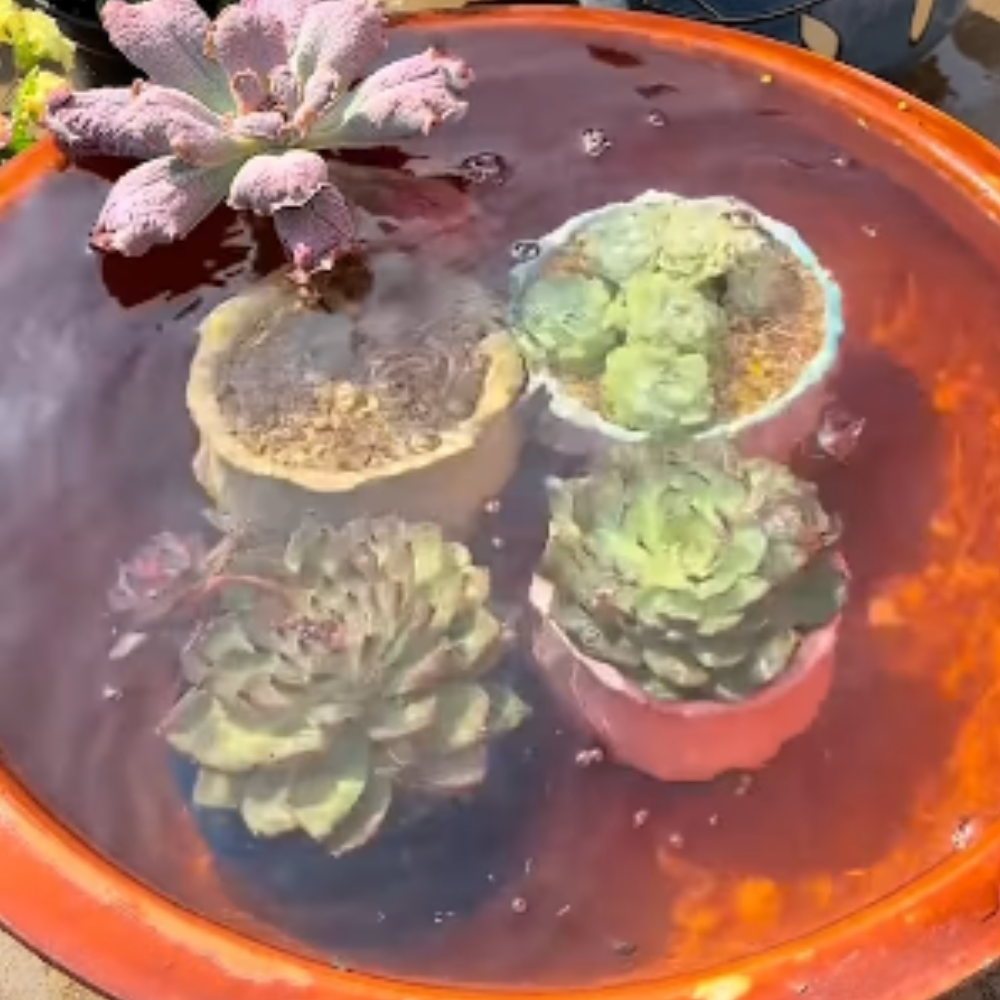
First, wait until the soil feels bone dry. Next, drench the dirt entirely until water runs out the drainage holes at the bottom. Finally, let the pot dry out completely before you water it again. Always empty the water catch saucer immediately. Leaving your pot sitting in a puddle will cause rapid waterlogging.
Here is your baseline data for timing. During the spring and summer active growing seasons, you will typically water every 10 to 14 days. During winter dormancy, plants sleep and need less moisture. Stretch your schedule out to every 3 to 4 weeks in the winter.
Using the right tools makes this schedule foolproof. Plant in unglazed terracotta pots. These pots breathe well and wick away excess moisture. Use well draining soil mixed heavily with perlite or pumice. You can also buy a simple moisture meter to check the dirt deep at the root level.
Triage: How to Save a Dying Succulent
Do not panic if you have made a watering mistake. Plant care is a learning process. Taking fast action is the real key to plant survival. If you need to know how to save a dying succulent, you must first identify the correct problem.
Fixing Thirst Saving a dry plant is very simple. Give it a deep soak using the soak and dry method early in the morning. Move the pot out of intense, direct sunlight for a few days. The gentler light helps it recover without extra stress. The wrinkles will plump back up in a day or two.
Fixing Rot Rot requires immediate plant surgery. Healthy roots should always be white and firm. Anything black and slimy must go in the trash. Follow these exact steps to fix root rot:
- Unpot the plant immediately and gently brush away all the wet dirt.
- Inspect the roots closely and trim away any black or mushy parts with a clean, sterile knife.
- Let the cut plant dry in the open air for a few days so the fresh cuts can form a hard callous.
- Repot the plant in fresh, dry succulent soil and wait a full week before adding any new moisture.
Summary
Let us review the most important takeaways. A translucent and mushy plant means you gave it too much love. A crispy and wrinkled plant means it is thirsty. Checking the soil completely before you grab the watering can is the ultimate golden rule.
Go stick your finger two inches into your plant pot right now to check the moisture level. If it feels wet, walk away. Share this guide with a fellow plant killer who could use a little help. By mastering the soak and dry method, you now know exactly How to Avoid Overwatering and Underwatering Succulents.